
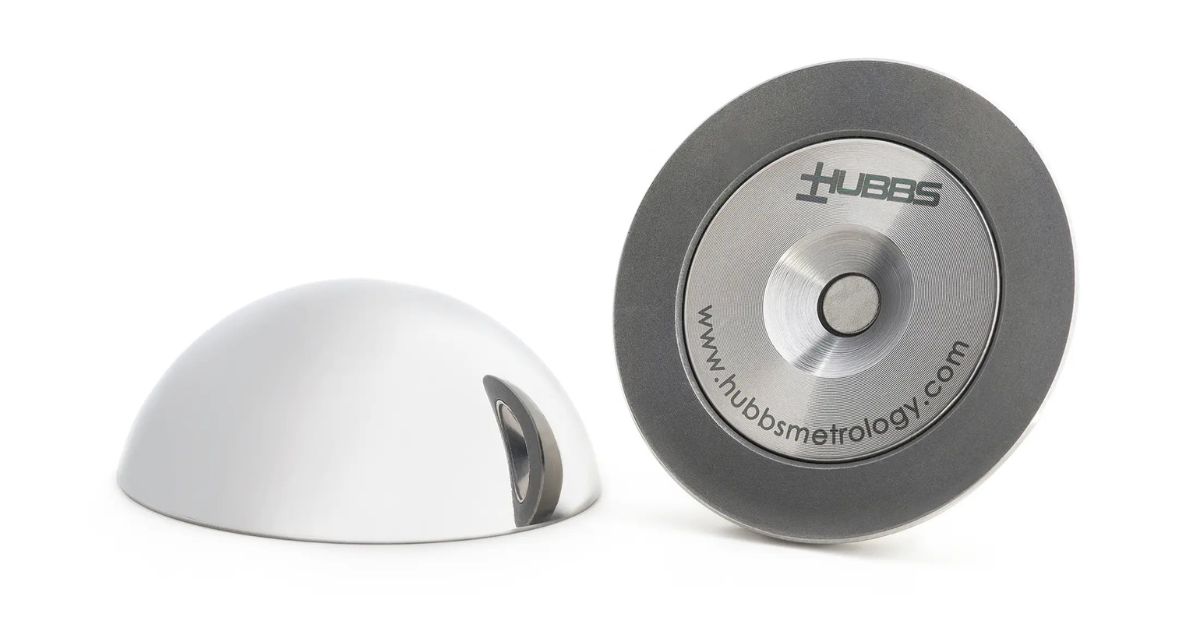
Quality standards and tight tolerances are the norm across the manufacturing and industrial sectors, so precision measurement and dimensional verification are essential for success. As global markets evolve, advanced metrology solutions, such as laser tracking technology, have become critical for achieving accuracy and reliability.
Dimensional accuracy directly impacts performance, safety, and operational success, so many industries need laser tracking tooling. Laser tracking addresses the unique challenges of precision manufacturing. Find out if your operations could benefit from these tools for quality and efficiency in large-scale applications.
Scientific research requires precise measuring tools and implements. Laser tracking supports advanced projects in fields like particle physics and materials science; it provides the necessary accuracy for innovative experiments. As research demands evolve, laser trackers will continue to push the boundaries of measurement capabilities. Their precision and adaptability make them indispensable tools for advancing scientific understanding.
Rail infrastructure project managers depend on laser tracking for track alignment, rail component positioning, and appropriate geometry. People working on high-speed rail systems, in particular, benefit from the precision this technology provides. Dimensional accuracy is critical for safety and performance in modern railway systems. Contractors use laser trackers to achieve the necessary precision for reliable operation, on top of supporting efficient construction processes.
Military and defense professionals demand high precision and reliability in manufacturing. Laser tracking supports the manufacturing and assembly of defense equipment, such as advanced weaponry and communication systems. Due to the complexity of modern defense systems, members of this sector require tools that can verify multi-component assemblies and integrate across subsystems. Laser trackers provide the necessary accuracy and flexibility to meet these demands.
Construction teams working on large-scale infrastructure projects—bridges, high-rises, and roads—rely on laser tracking for structural integrity and dimensional accuracy. These systems support complex geometries and tight tolerances that traditional methods cannot. Laser trackers help construction teams verify alignment and positioning throughout the building process, ensuring projects meet quality standards and stay on schedule.
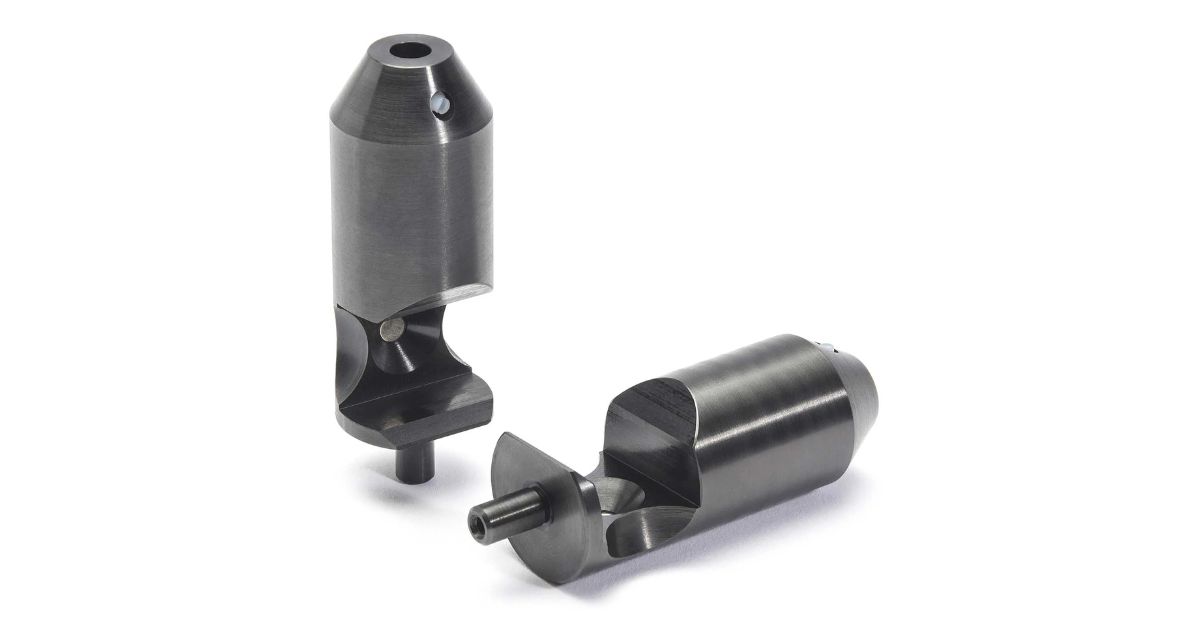
Manufacturers assembling heavy industrial equipment require tools for handling large components and complex geometries. Laser tracking supports the production of mining equipment, construction machinery, and industrial systems. By verifying alignment and dimensional accuracy, laser trackers enhance quality assurance processes and guarantee that even large, complex machinery meets industry standards.
Marine construction involves large-scale structures, and manufacturers need precise measurement systems. Laser tracking enables shipbuilders to perfect hull alignment and structural positioning. Workers partaking in shipbuilding projects require reliable tools, and laser trackers deliver consistent performance. Their ability to maintain accuracy across vast distances makes them indispensable for shipbuilding and repairing vessels.
Automotive manufacturers rely on laser tracking in body panel alignment, chassis assembly, and powertrain positioning. This technology supports the efficiency required for high-volume production. Manufacturers using real-time measurement capabilities can identify and correct dimensional variations before they disrupt production. By improving consistency and reducing waste, laser tracking enhances quality control and operational efficiency in automotive manufacturing.
Precision is necessary when manufacturing medical devices, and this industry operates under strict regulatory requirements. Laser tracking supports the production of imaging systems and surgical instruments. Laser trackers verify alignment and positioning during the assembly of parts to meet specifications for safe and effective patient care. This technology also helps manufacturers maintain compliance with the quality standards of the healthcare industry.
Deviations when manufacturing parts for the aerospace industry can compromise their safety and performance. Laser tracking systems are essential for verifying the positioning of structural elements, aligning engine components, and ensuring the dimensional accuracy of assemblies.
Modern aircraft production involves large-scale structures and complex geometries that traditional methods cannot handle. Laser trackers excel in measuring vast distances with exceptional accuracy. This measuring method is indispensable for wing assembly, fuselage alignment, and component positioning throughout the manufacturing process.
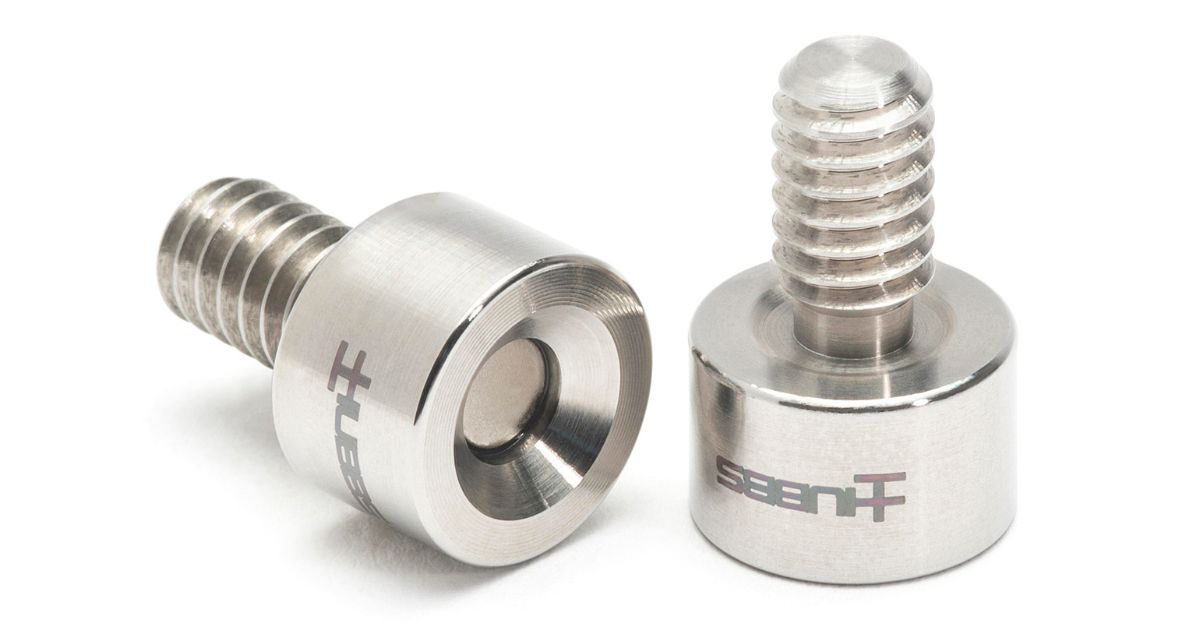
Power generation facilities and energy infrastructure projects require precise alignment of turbines and generators. Accurate positioning with laser tracking is vital for operational efficiency and safety. Wind turbine manufacturing particularly benefits from this technology, as it enables the precise alignment of rotor assemblies, nacelles, and towers. Laser trackers perform reliably across substantial distances and in various environmental conditions, making them ideal for the energy sector.
Laser tracking technology is evolving to meet the needs of modern manufacturing. Integration with the Internet of Things (IoT) and smart systems allows real-time data sharing to boost efficiency and enhance decision-making across production lines. This connectivity leads to smarter, more streamlined operations.
Advances in software are also driving change by offering improved data analysis and reporting while incorporating automation. The inclusion of robotics continues to push boundaries in precision-driven processes. Alongside these developments, laser trackers are becoming more portable and quicker to set up, with greater adaptability to diverse environments.
For manufacturers in these industries that need laser tracking tooling, the ability to deliver high standards is a necessity. Precision drives innovation, and investing in advanced measurement tools is a commitment to quality. It also gives you a strategic advantage in a competitive landscape.
By integrating cutting-edge laser tracking technology, you’ll be equipped to meet challenges head-on with the confidence that your processes are supported by unparalleled accuracy and reliability.
HUBBS Metrology Solutions has set the gold standard in precision manufacturing. We offer high-quality laser tracking tooling that professionals in global industries trust. Our expertly designed products, including versatile .5 SMR mounts, deliver unmatched accuracy and reliability. Seamlessly integrate our various tools into your manufacturing processes.
With a track record of serving more than 1,700 clients in over 48 countries, HUBBS is dedicated to providing both premium-quality solutions and tailored customization to meet unique project demands. When precision and service excellence are your priorities, HUBBS is the partner you can trust. Take the next step toward flawless results today!
The time to elevate your operations is now. Choose the tools that empower precision, streamline efficiency, and set the foundation for extraordinary success.