
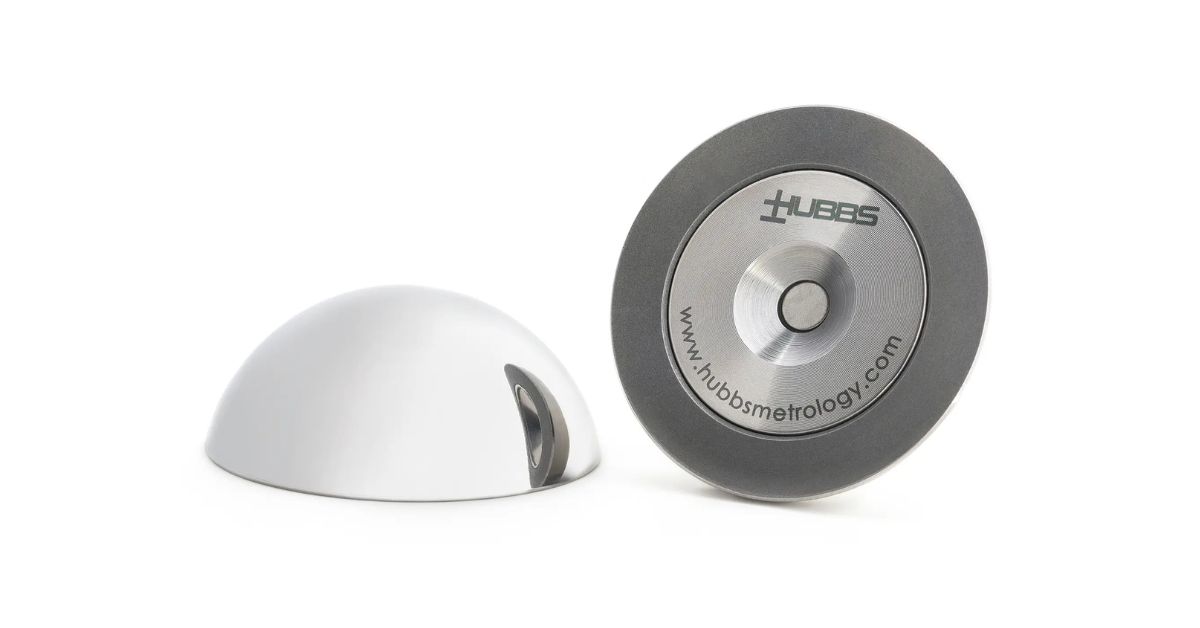
Precision measurement underpins the success of every major aerospace, shipbuilding, and industrial project. Laser trackers play a central role in this process, providing unparalleled accuracy for large-scale inspection and assembly.
However, achieving reliable data goes beyond advanced equipment. Operators and engineers must navigate a complex set of variables that can compromise measurement integrity.
Understanding the common challenges in laser tracking tooling is the first step toward implementing robust processes that deliver consistent, trustworthy results. Gain a detailed understanding of these obstacles and discover practical solutions to overcome them.
The operational environment presents one of the most significant variables in laser tracker measurement. Even subtle changes can affect the laser beam’s path and introduce errors.
Temperature gradients cause the air’s refractive index to change, which bends the laser beam and creates measurement inaccuracies. A stable thermal environment is ideal, but rarely possible in large hangars or shipyards.
To mitigate this, allow the laser tracker and the part being measured to acclimate to the ambient temperature before beginning work. Use external sensors to monitor temperature fluctuations throughout the measurement volume and apply real-time compensation within the metrology software.
Ground vibration from heavy machinery, vehicle traffic, or even footfalls can disturb the laser tracker’s internal mechanics. This causes misalignment of its reference frame.
Position the tracker on a stable, isolated tripod or pier whenever possible. For high-vibration areas, perform periodic drift checks to a stable reference point to quantify and correct any movement.
Laser trackers require a clear line of sight between the instrument and the target. Obstructions are a constant issue in complex assembly environments.
Careful planning of measurement routines and tracker locations is essential. Using multiple tracker stations through a unified network helps build a complete measurement picture around large structures. Plus, this eliminates blind spots without compromising the reference frame.
On large structures like airframes and ship hulls, establishing and maintaining a stable reference frame is a critical challenge. The structure itself can flex or move, making a single datum point unreliable.
A robust datum strategy involves creating a network of reference points across the structure. This network should include redundant targets that create a stable, over-determined coordinate system.
If one reference point is disturbed or obstructed, the integrity of the overall reference frame remains intact. Place reference targets on structurally stable sections that are less prone to thermal expansion or mechanical stress.
Large objects are susceptible to drift due to thermal changes or settling. Schedule regular drift checks by re-measuring key reference points throughout the measurement session.
Modern metrology software can utilize this information to calculate and compensate for any drift, thereby maintaining the alignment of all collected data with the initial coordinate system. These checks are vital for long-duration jobs that span multiple shifts.
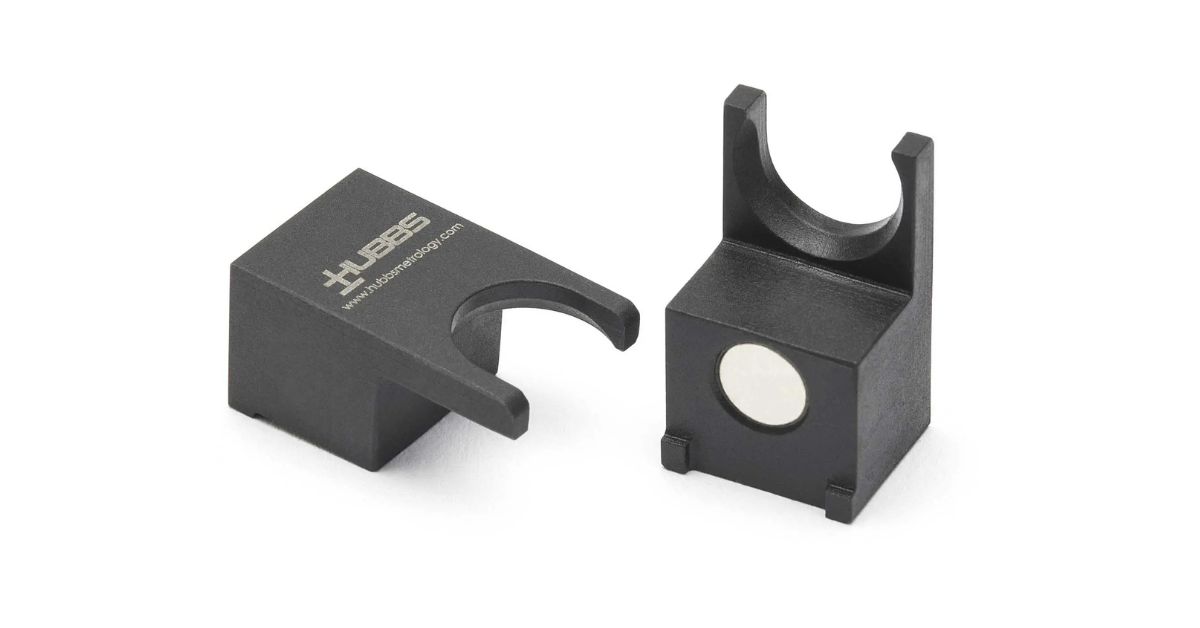
The physical interface between the laser tracker and the measurement point (the tooling) is a frequent source of error. The quality and condition of your spherically mounted retroreflectors (SMRs) and their mounts are non-negotiable.
High-quality SMRs with exacting tolerances are essential, but the mounts they sit in are just as important. Inconsistent mount tolerances can cause the SMR to seat improperly, introducing a slight but critical offset. This is particularly true for magnetic nests or threaded adapters.
Regularly inspect mounts for signs of wear, damage, or manufacturing defects that could compromise repeatability. Precision components, such as 0.5 laser tracker sphere mounts, must meet stringent quality standards to deliver reliable performance.
Dirt, oil, and debris on an SMR or its magnetic base can prevent it from seating correctly. This leads to measurement errors. Likewise, a contaminated sphere surface can refract the laser beam.
Implement a strict cleaning protocol for all targeting hardware before and during use. Inspect magnets for reduced pull force, which can indicate wear and lead to target slippage during measurement, especially on vertical or overhead surfaces. Check threaded interfaces for galling or stripping that could prevent a secure connection.
The human element is a major factor in measurement consistency. A standardized workflow removes variability between different operators and shifts.
Develop a checklist-driven procedure for every laser tracker setup. This should include tripod stability checks, instrument leveling, and a mandatory warm-up period. Following a consistent warm-up routine, as specified by the manufacturer, is a simple step that improves accuracy.
Before starting any critical measurement task, perform a series of basic instrument health checks. This includes running a compensation routine and using a scale bar or other certified artifact to verify the tracker’s performance. These quick checks provide confidence that the instrument is operating within its specified tolerances and can catch potential issues before they impact project data.
The digital thread connecting the shop floor to the engineering office must be robust and traceable. Data is valuable only when it is complete, correctly labeled, and securely managed.
Intermittent network connections on the shop floor can cause data file corruption during transfer. Whenever possible, save files locally to the measurement PC before transferring them to a server.
Establish clear file naming conventions that include details like the date, project number, part serial number, and operator initials. This practice prevents confusion and makes it easy to trace data back to its origin.
On large projects, design models are often updated. You must have a system to manage different versions of measurement plans and data files. Using a central data management system helps prevent operators from accidentally using an outdated plan.
All collected data should be backed up and archived, along with its corresponding measurement plan and instrument certification records. This is done to create a fully traceable audit trail.
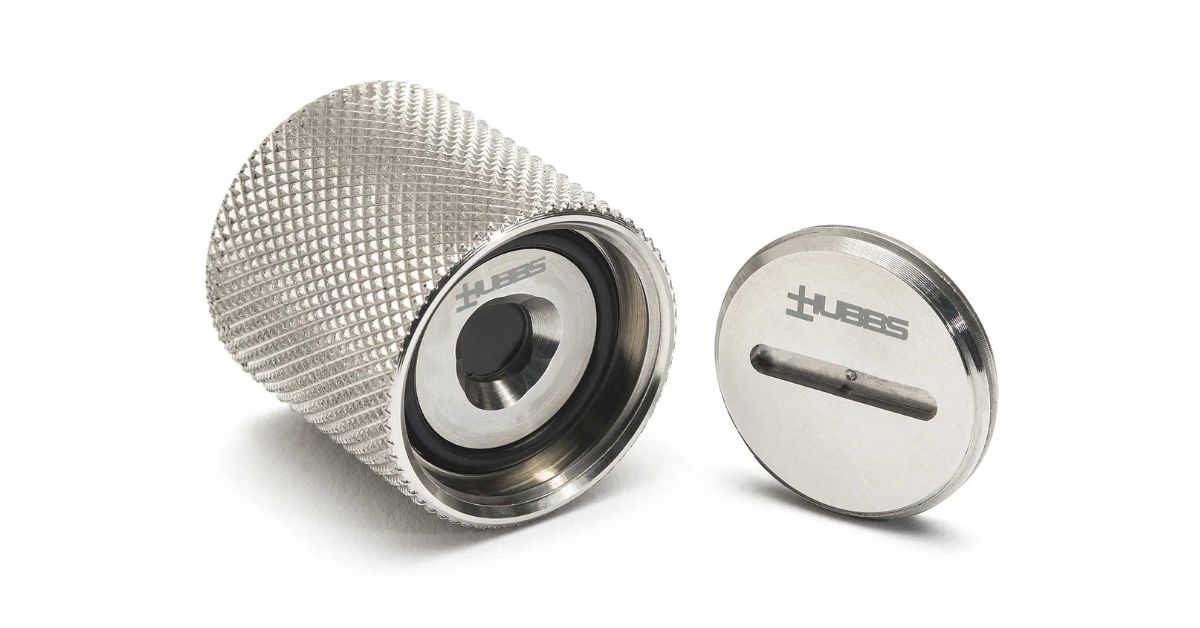
Off-the-shelf targeting may not be suitable for demanding industrial environments. When standard solutions fall short, purpose-built tooling from a specialized manufacturer, such as HUBBS, provides the necessary reliability.
Modular fixtures, ruggedized mounts designed to withstand shipyard conditions, and custom accessories can solve persistent measurement problems. Investing in tooling engineered for your specific application improves efficiency, enhances accuracy, and ultimately delivers more reliable data.
The path to achieving high-integrity metrology data is paved with diligence and attention to detail. By addressing the common challenges in laser tracking tooling, organizations can build resilient measurement processes.
A proactive approach to environmental control, reference management, hardware maintenance, and operator training ensures that your investment in laser tracker technology yields the precise, repeatable results your projects demand.