
Large-scale measurement leaves no margin for guesswork, especially when tolerances must hold across vital structures and components. Engineers and quality teams depend on laser trackers not just for precision, but for confidence that every alignment and verification step is correct the first time. Knowing the key features to look for in a laser tracker helps decision-makers separate real performance from surface-level specifications. When the measurement environment is demanding, and the stakes are high, the right features make the difference between smooth execution and costly rework.
Accuracy specifications attract attention, yet repeatability matters more in daily operations. A laser tracker must consistently return the same measurements under identical conditions to support confident decision-making.
Repeatable performance becomes especially critical when verifying large assemblies or aligning components across long distances. Even small variations can compound over multiple measurements, leading to tolerance stack-up and rework. Buyers should look beyond single-point accuracy claims and evaluate how systems perform over time.
Stability during extended measurement sessions and consistent performance after relocation are strong indicators of a tracker’s real-world reliability.
The tool’s working range determines how effectively a laser tracker can operate in large facilities or outdoor environments. Aerospace hangars, shipyards, and industrial plants require measurements across great distances without repositioning equipment.
Line-of-sight challenges are common in these spaces. Structural obstructions, machinery, and partial assemblies can interrupt tracking paths. Systems that maintain accuracy while managing these obstacles reduce downtime and repositioning requirements.
Accessories such as mounts, stands, and tooling also influence usable range. Proper mounting solutions keep the tracker stable while reaching critical measurement points across complex geometries.
Environmental conditions frequently separate theoretical performance from practical results. Temperature changes, air movement, vibration, and surface conditions all affect laser measurement accuracy.
Trackers designed for industrial use incorporate compensation methods to manage these variables. Thermal compensation helps maintain accuracy as ambient conditions shift, while vibration tolerance supports use near active machinery.
Measurement environments are rarely static, especially in shipyards and manufacturing facilities. Equipment that adapts to environmental changes delivers more reliable data and reduces the need for repeated measurements or extended setup times.
Laser trackers rely on targets and reflectors to collect accurate data. Compatibility across these components determines how adaptable a system is within existing workflows.
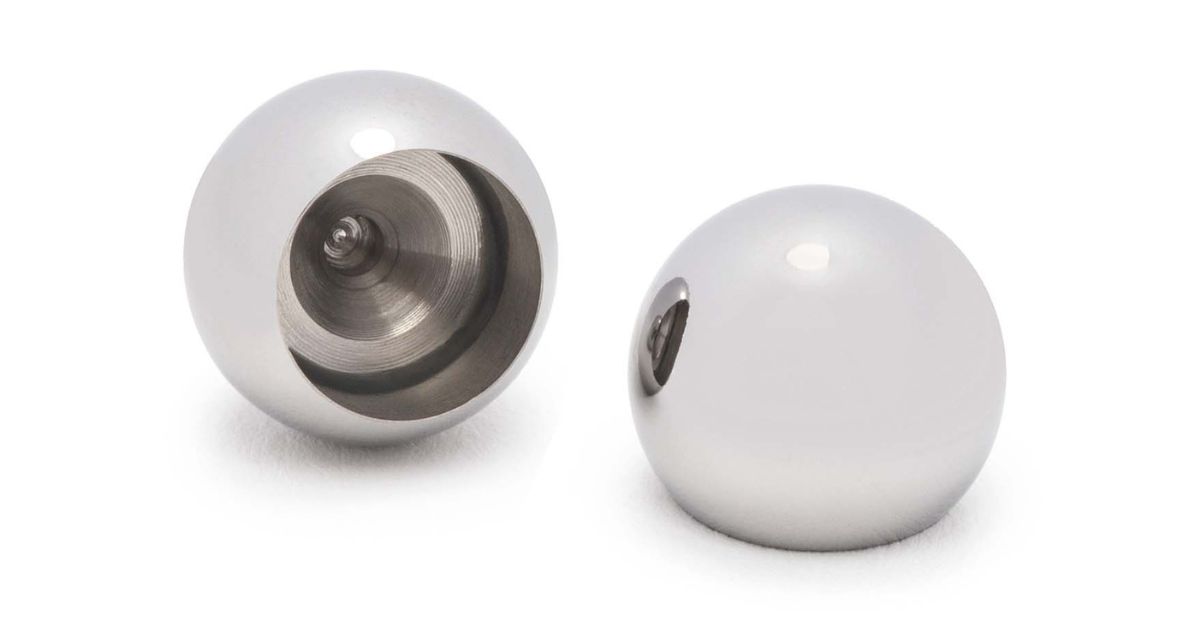
Spherical-mounted retroreflectors, contrast targets, and adapters must integrate smoothly with the tracker. Mounting quality directly influences measurement stability, especially during long-duration inspections. High-quality accessories, including .5 laser tracker sphere mounts, help ensure consistent positioning and reduce measurement drift.
Flexible compatibility allows teams to use the same tracker across multiple applications without replacing supporting hardware, improving long-term value and operational efficiency.
Software connects laser tracker measurements to inspection, quality control, and documentation processes. A system’s ability to integrate with commonly used metrology software determines how efficiently data moves from measurement to decision-making.
Intuitive workflows and reliable data export support both experienced metrologists and cross-functional teams. Compatibility with inspection reports and quality systems reduces manual handling and minimizes errors.
Software should enhance productivity rather than introduce complexity. User-friendly interfaces help ensure consistent results regardless of operator experience level.
Deployment speed matters when measurement windows are limited. A laser tracker that requires extensive setup or alignment can delay production schedules and disrupt workflows.
Portability becomes especially important in large facilities or field environments. Lightweight designs and straightforward alignment procedures allow teams to relocate equipment quickly without sacrificing accuracy.
Ease of use also affects training requirements. Systems that support efficient onboarding reduce reliance on specialized personnel and help maintain consistent measurement practices across teams.
Laser trackers represent a long-term investment, making ongoing support a critical consideration. Calibration schedules, service availability, and access to replacement parts all influence equipment uptime.
Traceable calibration supports compliance and quality assurance requirements, particularly in aerospace and defense applications. Reliable access to accessories ensures measurement setups remain consistent over the system’s lifespan.
Evaluating long-term support alongside performance features helps organizations avoid disruptions and maintain confidence in their measurement capabilities year after year.
Laser trackers are used across a wide range of industries, yet measurement priorities shift based on scale, environment, and production demands. Evaluating requirements through an industry-specific lens helps teams focus on the features that directly support their workflows and tolerances.
Choosing the right laser tracker starts with understanding how it will perform in your specific measurement environment. HUBBS supports large-scale, high-precision measurement applications across several industries and environments. If you have questions about accessories, mounting solutions, or application fit, connecting with an experienced metrology partner can help clarify next steps. Reach out to HUBBS to discuss requirements and ensure your measurement setup is built for accuracy and consistency.
Selecting a laser tracker is ultimately about confidence—confidence that measurements will hold up under real production conditions and support critical decisions. Understanding the key features to look for in a laser tracker allows teams to evaluate systems based on how they perform in demanding environments, not just how they read on a specification sheet.
The right combination of capability, compatibility, and reliability supports smoother workflows and more predictable outcomes across complex projects. When measurement accuracy drives alignment, safety, and quality, informed selection becomes a strategic advantage rather than a technical checkbox.