
Dimensional verification is an important process in manufacturing and engineering, ensuring components meet exact specifications. Different types of gauges for dimensional checks tackle specific measurement challenges, offering both precision and reliability. These tools are indispensable in industries like aerospace and shipbuilding, where even minor deviations can have major consequences. By selecting the right gauge, manufacturers can streamline inspections and uphold the highest standards of quality.
In large-scale applications, gauges provide a direct, reliable method for pass/fail inspection of a component’s physical dimensions. Unlike more complex coordinate-measuring machines that provide variable data, gauges provide attribute data—a clear confirmation that a feature is within its specified tolerance. This makes them indispensable for quick, decisive checks on the production floor, supporting everything from initial fabrication to final assembly and maintenance operations.
Master gauges serve as the physical benchmark of accuracy. Experts use them to calibrate other gauges and measuring instruments, transferring traceability from national standards laboratories directly to the shop floor.
Industrial-grade gauge blocks are precision-ground steel or ceramic blocks manufactured to exacting tolerances. Assembled in calibrated sets, they establish precise lengths for setting comparative gauges. Their stability and accuracy make them a foundational reference standard in any metrology lab.
These masters calibrate bore gauges, micrometers, and other instruments that measure internal and external diameters. A master ring has a highly accurate internal diameter, while master discs and cylinders provide a precise external diameter. They act as the go/no-go standard for setting variable measurement tools.
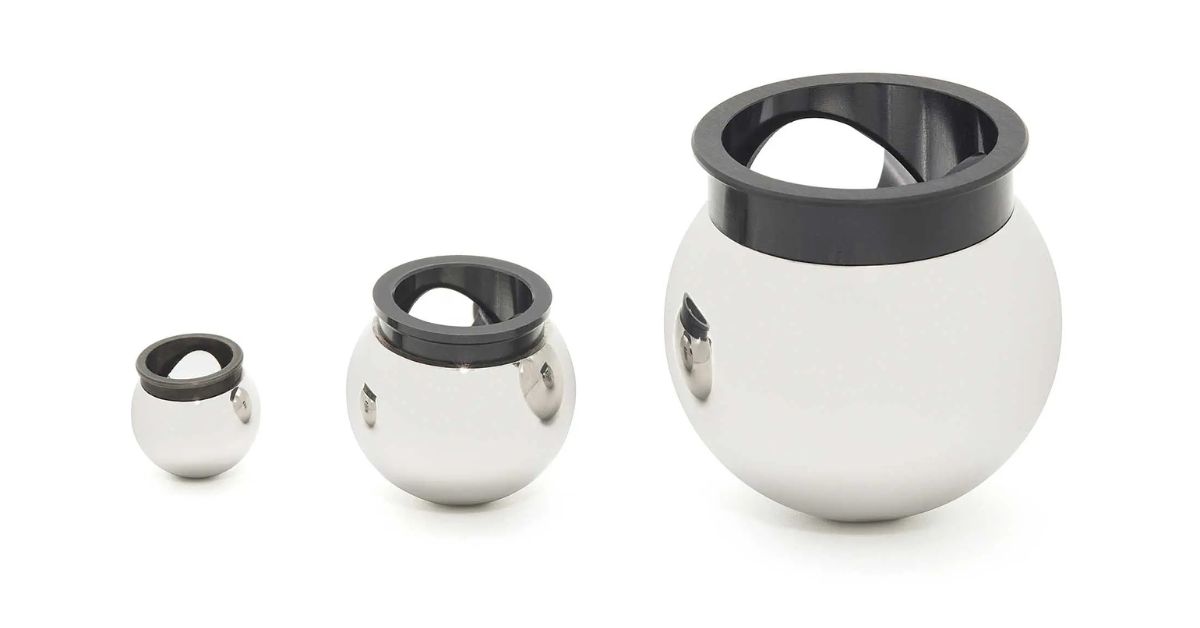
Spherical masters provide a known, highly accurate spherical diameter and form. They are crucial for verifying the performance of coordinate measuring machines (CMMs) and portable metrology systems, such as laser trackers. Placing these spheres within the measurement volume allows for comprehensive system accuracy checks and calibrations.
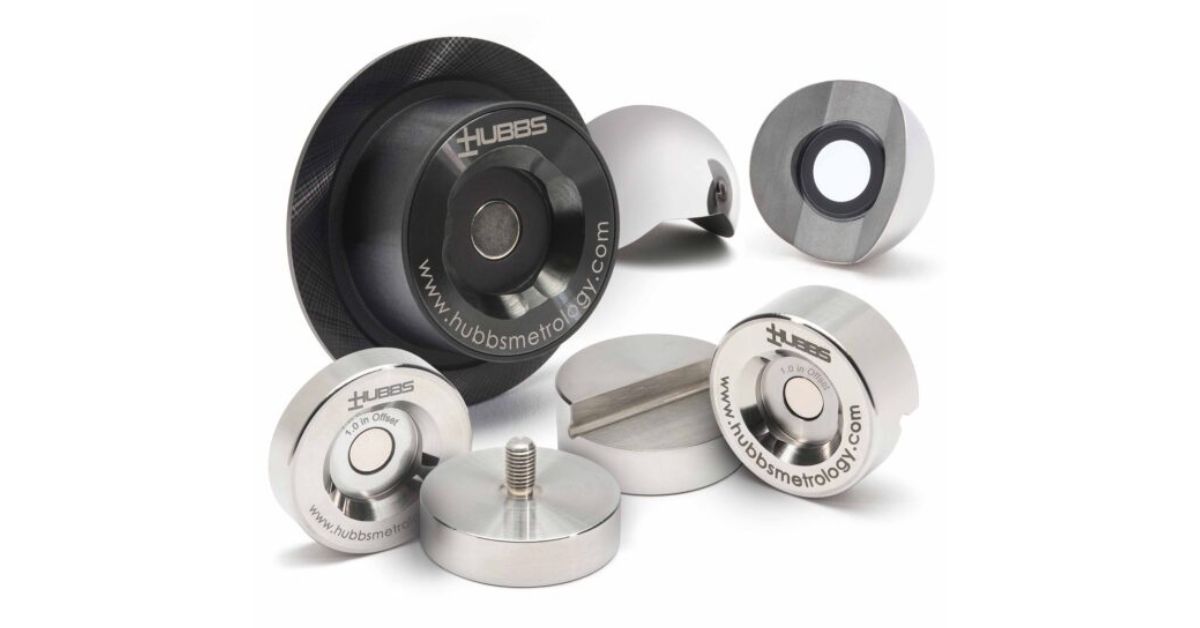
Standard gauges are typically insufficient for the immense components found in large-scale manufacturing. The design of large-format gauges is specifically tailored to the scale and rugged environments of industries such as military defense.
These are scaled-up versions of standard go/no-go gauges for checking large-diameter holes and shafts. An oversized plug gauge verifies the minimum acceptable hole diameter, while an oversized ring gauge checks the maximum acceptable shaft diameter, confirming the interchangeability of massive parts.
Large snap gauges are C-shaped frames with parallel anvils quickly check external dimensions like diameters, thicknesses, or lengths on large workpieces. Adjustable gap gauges serve a similar purpose, providing a quick pass/fail assessment for a specific feature size without needing a complex setup.
Verifying the threads on large fasteners, pipes, or structural components requires custom thread gauges. Engineers build specific thread profiles (such as ACME or Unified National) and large diameters, confirming the pitch diameter and form to allow proper, secure assembly of critical, load-bearing connections.
Many industrial components feature complex internal geometries that require specialized gauging to verify their form and orientation.
Industrial-scale bore gauges measure the internal diameter of large cylinders and tubes, such as engine cylinders or hydraulic housings. These tools, featuring multiple contact points, can detect variations in diameter, such as ovality and taper, along the length of the bore with high precision.
These gauges check both internal and external tapered surfaces, which are common in machine tool spindles and fittings. A taper gauge matches the specified angle and diameter of the feature, while a taper master calibrates the inspection gauge itself, confirming its accuracy.
In large assemblies, component alignment is critical. Alignment gauges and precision straightedges verify the straightness, flatness, and parallelism of surfaces over long distances. They are essential for tasks like aligning machine beds, turbine shafts, or airframe sections.
Often, standard off-the-shelf gauges cannot meet the needs of unique or highly complex components. In these cases, custom-designed gauging provides a tailored solution for reliable inspection.
A multi-feature gauge can check several dimensions or characteristics of a part simultaneously. This dramatically increases inspection efficiency by combining multiple checks into a single operation, ideal for high-volume production environments where speed and repeatability are paramount.
Fixture gauges secure a component in a repeatable position to inspect multiple features with integrated gauging elements. Modular designs allow these fixtures to be reconfigured for different parts, offering a flexible and cost-effective solution for inspecting families of similar components or accommodating design changes over time.
For prototype parts, one-of-a-kind fabrications, or legacy components without standard tooling, a custom gauge is usually the only option. These unique gauges inspect a single, specific feature that engineers cannot measure with any other tool, providing a definitive quality check.
Physical gauges play a vital role in validating and augmenting the capabilities of digital metrology. They provide physical evidence that complements the data captured by advanced systems.
Reference artifacts, ranging from a simple gauge block to a pre-measured part with diverse features, perform interim performance checks on CMMs. Measuring a known artifact helps validate that the machine is operating within its specified accuracy between formal calibrations.
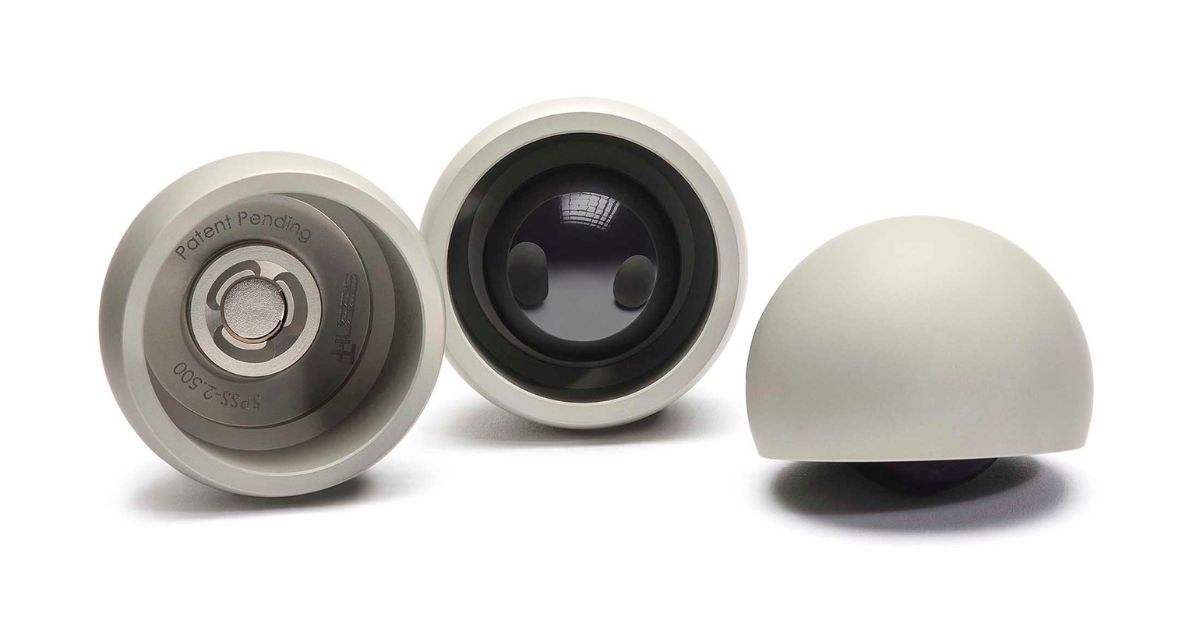
Items such as scale bars, precision spheres, and hidden-point bars are indispensable for validating the accuracy of metrology measuring equipment. These tools are used on-site to conduct system checks, establish scaling, and confirm the device’s performance before taking critical measurements.
Selecting the appropriate gauge requires a clear understanding of the application and tolerance requirements. Consider the following factors:
The different types of gauges for dimensional checks are key to maintaining precision in large-scale manufacturing. HUBBS specializes in high-quality accessories and tooling components designed for advanced metrology systems. From laser tracker sphere mounts to photogrammetry tools, HUBBS provides reliable solutions tailored to the industries discussed in this guide. Contact HUBBS today to equip your team with precision tools that meet the highest standards of quality and performance.