
Precision is never accidental when working with large-scale measurement systems. Laser trackers can achieve remarkable accuracy, yet their performance depends on the operator’s habits and decisions. Small oversights during setup or operation can quietly influence results long before anyone notices a problem. A clear understanding of the dos and don’ts when operating laser trackers creates a stronger foundation for consistent workflows and confident measurement outcomes.
Laser trackers are commonly used to measure large structures where operators must maintain tight tolerances across long distances. Because these systems operate in dynamic industrial environments, factors such as vibration and temperature variation can influence results. Careful operation minimizes the impact of those variables and supports more consistent data collection. Stable processes also reduce the likelihood of repeating measurements due to preventable discrepancies.
In industries where compliance and documentation are critical, measurement reliability directly affects project timelines and quality assurance. Accurate data supports proper fit-up and aligns and validates systems correctly. Consistent operation also extends the equipment’s longevity by reducing unnecessary stress and recalibration events. A disciplined approach strengthens both operational efficiency and long-term measurement confidence.
Reliable performance starts with consistent habits and thoughtful preparation from the beginning to the end of each measurement session.
Evaluate the measurement area before positioning the tracker. Floor rigidity and structural stability directly affect long-distance measurement accuracy. Nearby heavy equipment or active machinery can introduce vibration that impacts results. Selecting a physically stable location from the outset reduces external influences that compromise precision.
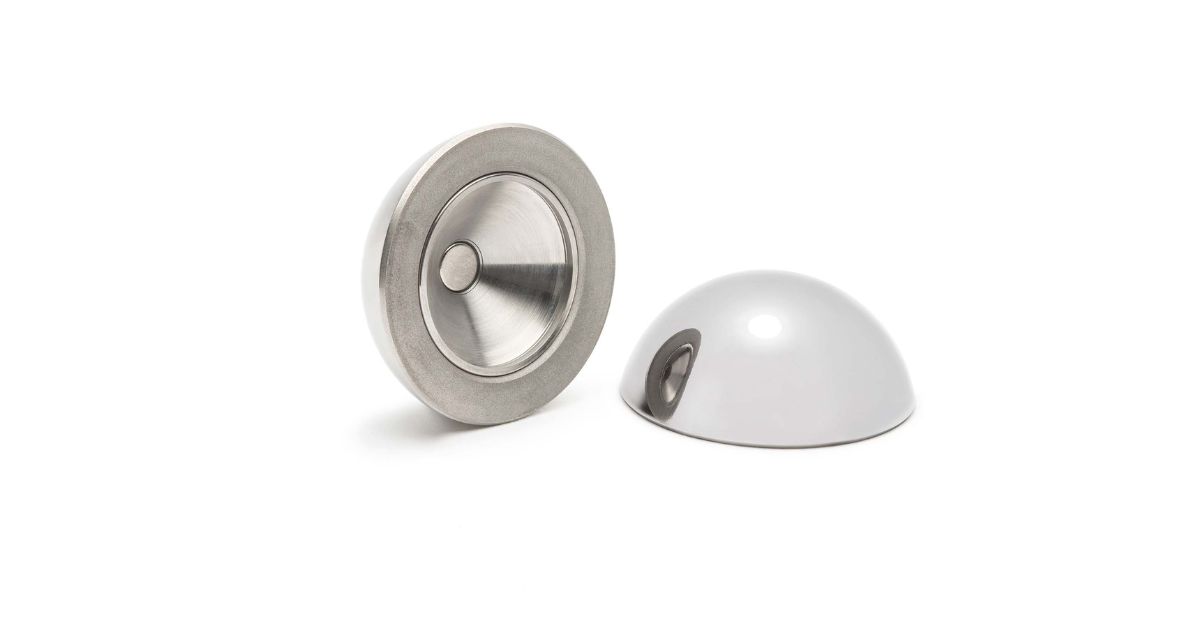
Measurement accuracy depends on the integrity of supporting hardware, such as targets and mounts. Precision-manufactured components are designed to fit correctly and maintain alignment within the tracker’s measurement system. For example, .875 laser tracker sphere mounts must be matched to both the instrument and the specific application to ensure stable referencing. Selecting compatible, well-built accessories helps maintain consistent results and limits avoidable measurement error.
Following manufacturer-recommended setup steps establishes a reliable foundation for measurement. Allowing adequate warm-up time enables internal components to stabilize before critical data collection begins. Proper leveling and referencing ensure the coordinate system is aligned correctly from the start. Taking the time to complete these procedures prevents avoidable drift later in the session.
Optical clarity directly affects tracking performance. Dust and fingerprints on lenses and spherical targets can interfere with beam reflection and signal strength. Regular inspection and careful cleaning with approved materials preserve surface integrity without causing damage. Clean surfaces also help reduce unnecessary troubleshooting during critical measurement work.
Detailed documentation improves repeatability across teams and future projects. Recording tracker placement, reference points, environmental conditions, and accessory configurations creates a reliable baseline. Clear notes and visual references help replicate successful setups without guesswork. Over time, consistent documentation strengthens traceability and operational efficiency.
Avoiding common operational mistakes is just as important as following best practices, particularly in high-stakes industrial environments.
Once a measurement session begins, the tracker and tripod should remain fixed in position. Even slight movement alters the established reference frame and can invalidate previously captured data. If repositioning becomes unavoidable, the coordinate system must be properly reestablished before continuing. Maintaining stability throughout the session preserves measurement continuity.
Laser trackers require an uninterrupted line of sight to the target for consistent performance. Personnel crossing the beam path can disrupt tracking and result in incomplete or inconsistent readings. Establishing clear boundaries around the measurement area helps reduce avoidable disruptions. Coordinating with nearby teams ensures the workspace remains organized and controlled.
Environmental conditions can change gradually during extended measurement sessions. Temperature fluctuations throughout the day may affect air density and material expansion, thereby affecting long-distance accuracy. Periodic verification of reference points confirms that results remain within acceptable tolerances. Ongoing awareness of environmental factors prevents subtle variations from compounding into larger discrepancies.
Switching targets or accessories requires deliberate attention. Improper seating or mismatched components can introduce slight misalignments that impact overall results. After any change, confirm stable tracking and verify alignment before proceeding. Careful transitions protect accuracy and reduce the need for corrective rework.
Laser trackers are precision instruments that require careful handling during transport and storage. Rough movement or uncontrolled environments can affect internal alignment. Always use appropriate protective cases and follow manufacturer recommendations for securing the instrument. Treating the system as a critical asset preserves long-term reliability and measurement confidence.
Capturing one data point and moving on can introduce risk, especially in large measurement volumes. Verifying critical dimensions through redundant measurements or alternate reference points strengthens reliability. Cross-checking helps identify anomalies before they affect downstream processes. Confirming key results reduces the likelihood of preventable rework.
Strong operational habits are most effective when paired with precision-engineered accessories. HUBBS manufactures laser tracker tooling and spherical components for large-scale industrial and government applications. These components are built to support tight tolerances and integrate with systems used in aerospace, defense, shipyard environments, and more. Reliable hardware contributes to stable setups and repeatable measurement performance.
From sphere mounts and adaptors to contrast targets and accessory solutions, HUBBS focuses on compatibility and precision. Properly manufactured components help minimize uncertainty and support disciplined workflows. Organizations that rely on accurate dimensional data benefit from measurement infrastructure designed with performance in mind. Pairing high-quality accessories with the best operating practices strengthens overall confidence in results.
Precision measurement requires more than advanced equipment; it demands disciplined execution at every stage of the process. Following the dos and don’ts when operating laser trackers reinforces a culture of accountability that protects both accuracy and project outcomes.
When teams commit to controlled environments and use properly matched components within a disciplined workflow, measurement becomes a dependable asset rather than a variable risk. That level of consistency is essential for organizations responsible for meeting tight tolerances in large-scale industrial applications.