
Large-scale measurement decisions carry real consequences when the build quality depends on precise data. Teams working in heavy-industry facilities need equipment that meets the demands of the job, not just the specs in a brochure. Knowing how to choose the right laser tracker for your needs can shape everything from inspection confidence to workflow efficiency. A well-matched system gives your team the clarity to solve problems earlier and support accuracy where it matters most.
Every laser tracker decision should begin with what you need to measure. A team inspecting a large aircraft wing has very different needs from a team aligning fixtures in a shipyard. Measurement size, surface accessibility, required tolerance, line-of-sight limitations, and whether the job involves static inspection or dynamic processes all affect which tracker makes sense. Laser trackers are widely used for large-volume industrial measurement, but the right fit is based on how the instrument will be used in your facility.
Once the application is clear, the next step is narrowing the specifications that will affect usable performance. Several headline specs deserve close attention, but each one should be judged in the context of your actual workflow, not in isolation.
Accuracy reflects how close a measurement is to the true value. Repeatability refers to how consistently the tracker can return the same result when measuring the same point under the same conditions. Both are essential when tight tolerances matter, but they are not interchangeable. Reviewing both helps clarify whether a tracker can support the level of precision your application requires.
Measurement range refers to how far the laser tracker can measure from its position. Measurement volume indicates the amount of space the system can effectively cover during a job. Range and volume are important when working with large parts or long assemblies. A tracker should match the physical scale of the work so that measurement coverage doesn’t become a limitation.
Speed affects how quickly a laser tracker can collect measurement data during a task. Data capture capabilities address how the system gathers and processes points throughout the measurement workflow. Faster performance can be valuable when jobs require quick feedback or frequent measurements. Reviewing these specs helps determine whether the tracker can keep pace with the application’s demands.
Environmental tolerance describes how well a laser tracker performs under changing shop or field conditions. Temperature shifts, vibration, dust, and airflow can influence measurement stability. Some systems are better equipped to handle demanding environments without a drop in performance. Checking this specification confirms whether the tracker is suited to the conditions where it will be used.
Portability affects productivity more than many buyers expect. A tracker that travels easily and sets up quickly can save meaningful time across repeated jobs. The benefit becomes even more important for large facilities with multiple work zones and programs that require movement between plant areas or field locations.
The setup should also be judged by operator experience. A system that is easier to deploy consistently can reduce avoidable variation between users and help newer teams build confidence faster during routine measurement work.
Hardware selection should never happen without a software review. A strong tracker can still create bottlenecks when the software does not fit the reporting process, CAD workflow, alignment routine, or inspection platform already in use. Buyers should confirm how well the system supports required outputs and operator training.
Compatibility with accessories and established routines matters because measurement success depends on the full system, not a single instrument. Good software fit usually shows up later as better adoption and smoother handoffs between departments.
Support planning should happen before the purchase. Calibration access, repair turnaround, training resources, replacement parts, and technical guidance affect how dependable the system will feel over time.
Teams working in demanding sectors, such as defense, often cannot afford long periods of downtime, so service responsiveness becomes part of the buying decision. It helps to evaluate how easy it is to maintain targets and related accessories, because overall measurement reliability depends on the condition of the full setup used in the field.
The purchase price is only one piece of the investment. The total cost of ownership includes several variables, such as accessories and software, in addition to training. A lower-cost tracker may become more expensive over time if it requires additional setup or extra support to align with your process.
On the other hand, the highest-end model is not automatically the best value if the application does not require its full capability. Budgeting should focus on how the system performs across the full measurement process and how well it supports the work you do most often.
The strongest comparison process uses your own parts and workflows as the test. Build a checklist based on real job requirements, then compare models under the same conditions.
Review tolerance needs, working distance, setup frequency, operator skill level, software fit, accessory requirements, and likely environmental challenges. It’s smart to separate must-have capabilities from future-facing features so the final decision stays grounded in present needs. A disciplined comparison keeps the discussion practical and makes it easier to defend the investment to operations and procurement teams.
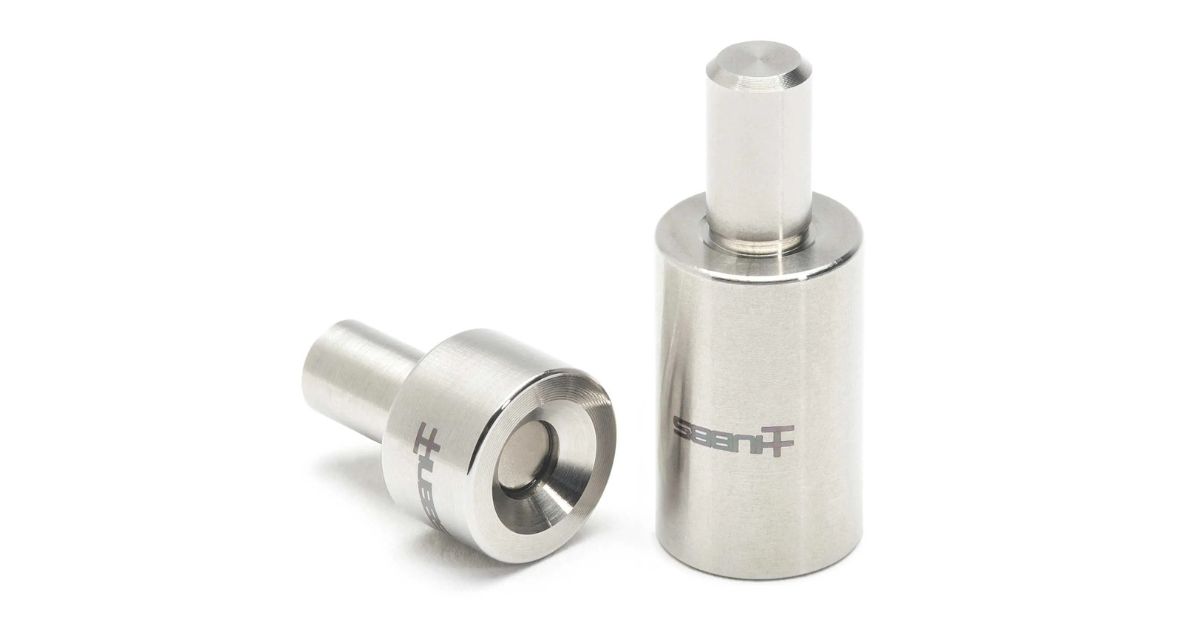
Choosing a tracker is only part of building a dependable measurement system. Tooling and accessories influence how accurately and efficiently the tracker performs once it reaches the floor.
HUBBS supports large-scale industrial and government measurement work with precision products made for tracker tooling. Whether you’re working with heavy manufacturing machinery or aligning powerful wind turbine components, our products work to your demand.
We can support practical measurement setups that include options such as .5 SMR mounts that align with real field requirements. When your team needs components that fit the way you measure, partner with HUBBS to find laser tracker tooling that supports accurate work from setup through final verification.
The right laser tracker should support the way your team works long after the buying process is over. A confident decision starts with knowing how to choose the right laser tracker for your needs, one that fits your application and your performance expectations. When the system aligns with the work, measurement becomes a stronger part of the process instead of a point of friction.