
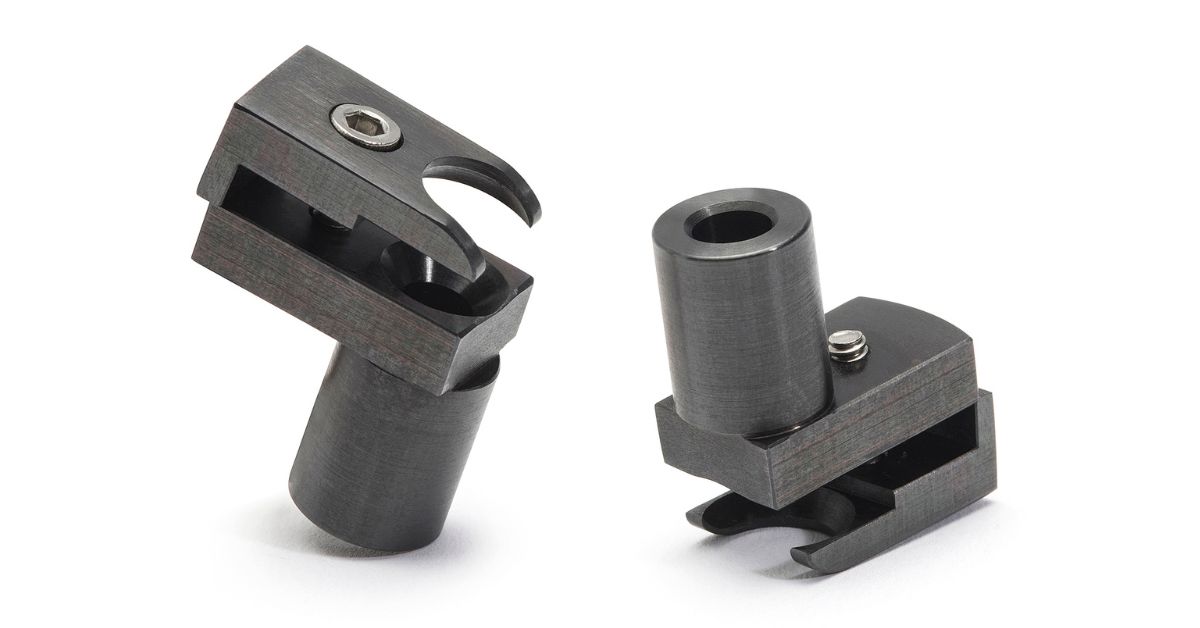
Precision tools earn their value on the plant floor, where even slight wear can create costly setbacks. Teams that want to maintain metrology tools for longevity need more than a basic care routine; they need practices that protect performance under real industrial conditions. Wear rarely announces itself early, which is exactly why smart maintenance habits matter long before a tool looks damaged.
Precision tools rarely lose performance all at once. Wear usually begins subtly and is easy to miss during a busy shift, especially when the equipment still appears usable. A slightly compromised fit or a worn contact point can reduce confidence in the result.
Environmental conditions make the problem harder to catch, since routine exposure to shop conditions can affect long-term reliability. Strong maintenance starts with awareness. Teams that understand how deterioration develops are far more likely to catch problems before accuracy suffers.
Daily care should feel like part of the job, not an extra step added at the end of the day. A brief inspection before use helps operators notice developing wear before a measurement begins, while a second look afterward can reveal anything that changed during the task.
Consistency is what makes those checks valuable. Tools that are reviewed the same way each time are much easier to trust over the long term. Good habits do not need to be complicated. They need to be repeatable and tied to the reality of how the tool is used.
For tools that move frequently between staging areas, storage decisions can directly affect service life. Controlled storage conditions that are clean and dry help preserve dimensional stability and surface integrity, which matters when slight damage can affect performance.
Protection during idle time matters just as much as protection during active use. A well-designed case or a clearly assigned storage space reduces avoidable contact, careless stacking, and accidental impact. Better storage also improves accountability. When every item has a defined place, teams spend less time searching and far less time wondering whether a tool has been mishandled.
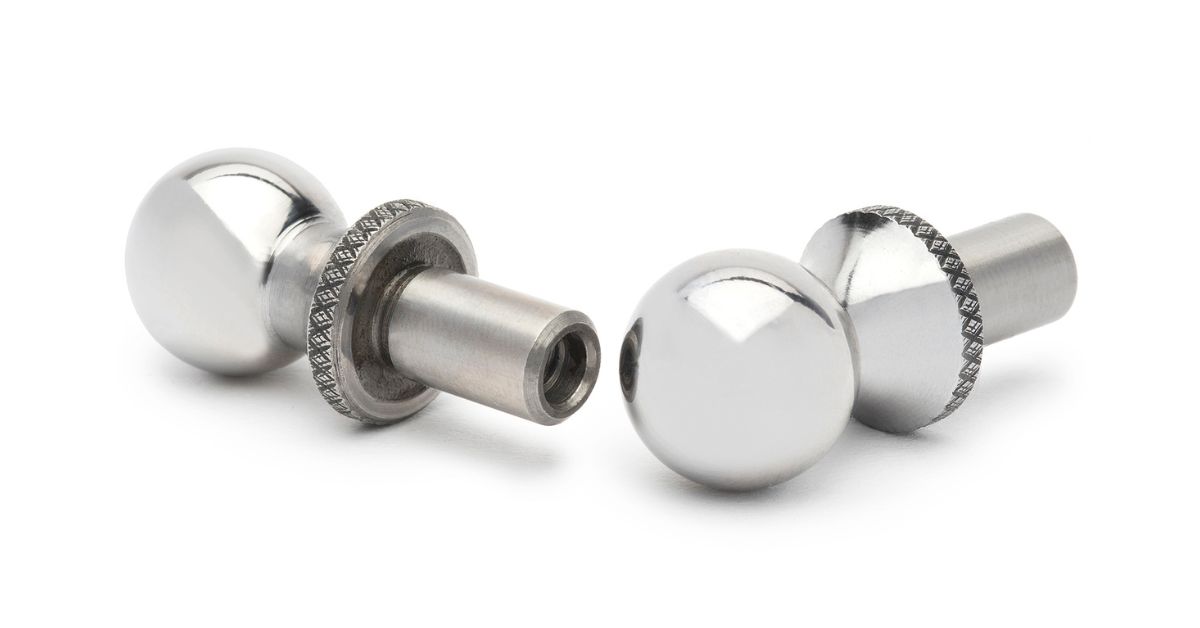
Preventive maintenance should never depend on memory alone. A written schedule creates structure, making it easier to evaluate tools before wear begins to affect results. Frequency can vary based on how heavily a component is used and how critical it is to the application.
What matters most is having a process that is followed day in and day out. Each review should confirm that the tool still performs as intended under normal working conditions. Strong documentation strengthens that process further. Clear records help teams make better decisions about what needs attention next.
Calibration protects more than measurement quality. It also helps protect the equipment’s usable life by revealing when performance has shifted before the problem spreads into production. Appearance alone cannot confirm whether a component is still supporting accurate work, particularly in operations that depend on close tolerances and large-scale alignment.
Regular calibration gives teams a clearer picture of what the tool is actually doing in the field. For companies that rely on 3D metrology tooling, visibility matters. Better calibration practices help reduce uncertainty, strengthen confidence, and support longer service life without waiting for obvious failure.
Many tools are damaged while they are actively being used, not while they are sitting in storage. A rushed setup or an awkward handoff can and will shorten service life much faster than most teams expect. Protection during use starts with handling discipline.
Operators need enough room to work carefully and enough support to avoid forcing a component into position. Training plays an important role because good technique protects contact surfaces and preserves fit. When the work area supports careful movement and proper staging, precision tools are much more likely to stay reliable over repeated use.
Contamination can affect performance long before a tool looks dirty enough to raise concern. Fine residue from the work environment can interfere with proper seating and create uncertainty during inspection or setup. Cleaning should therefore be part of the normal workflow rather than a response reserved for visible buildup.
Frequency matters, but the method used matters more. Gentle, appropriate cleaning practices help preserve surfaces that need to remain stable over time. Harsh materials can cause avoidable damage when removing debris. Cleaner tools are easier to trust and easier to keep in service.
Physical condition is only part of the maintenance picture when a measurement workflow depends on connected systems. Software and firmware can influence day-to-day reliability in ways that are easy to overlook until something stops working as expected. A neglected update process can create unnecessary disruption even when the hardware remains in good shape.
Careful review is essential before making any change that affects active equipment. Controlled updates and documented version history help teams avoid preventable system conflicts. Strong digital maintenance supports the long-term value of the tool by keeping the broader measurement environment stable and dependable.
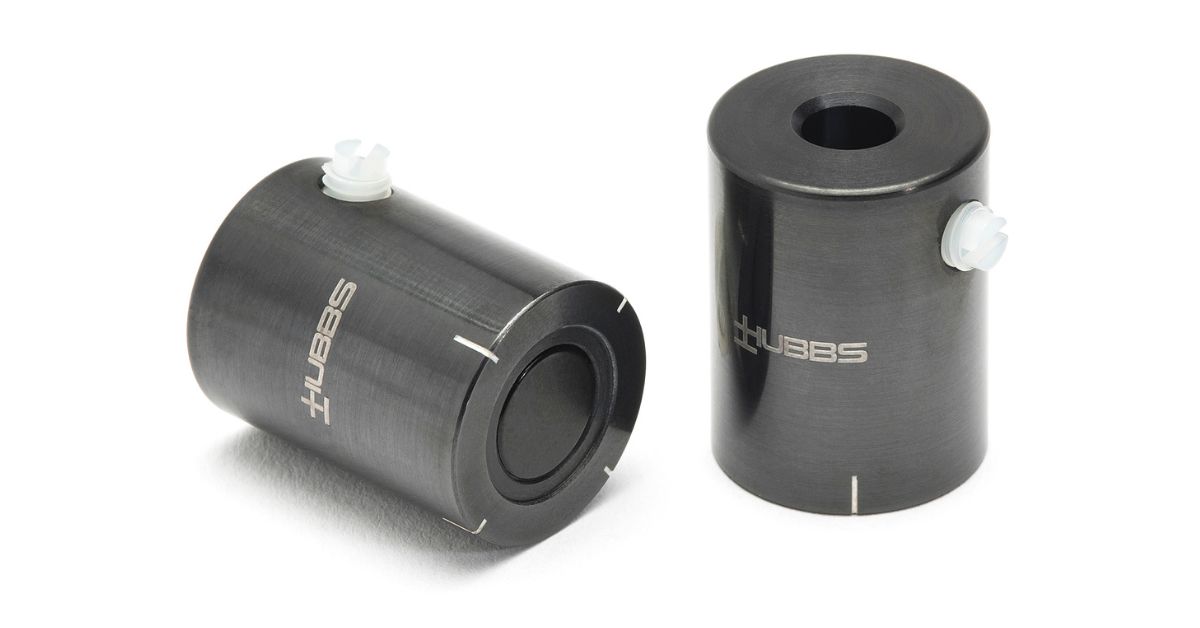
Every worn tool reaches a point where the next step matters. Some components can be repaired confidently and returned to service after proper evaluation, while others no longer justify the risk. Good decisions depend on reliability and the demands of the application rather than age alone.
Replacement makes sense when performance can no longer be trusted in the field. Upgrades deserve a practical standard as well. A new tool should solve a real operational need, whether the challenge involves larger assemblies or tighter tolerances.
Precision work holds up longer when care is treated as part of performance, not as an afterthought once wear becomes visible. Teams that want to maintain metrology tools for longevity are really protecting the confidence behind every setup and alignment task. Lasting value comes from keeping every tool ready to perform at its best when accuracy matters most.
HUBBS supports measurement teams that need tooling to stay reliable under real production demands. Our tools and accessories align with the maintenance strategy discussed here because long-term accuracy depends on equipment that can continue to perform in the field. When worn tooling starts affecting confidence, HUBBS is a smart place to look for a better long-term solution.