
Downtime is a hidden but often devastating challenge for industries that rely on precision, safety, and adherence to strict timelines. Whether it’s a missed aerospace launch window, a grounded aircraft waiting for alignment, or an extended shipyard maintenance period, the ripple effects of downtime can lead to major financial losses and project setbacks.
Laser trackers are often overlooked yet essential tools that play a crucial role in precision assembly and inspection across these high-stakes fields. Regular updates to these devices could be the difference between seamless operations and significant delays. Knowing how to reduce downtime via laser tracker updates is one of the simplest yet most effective ways to stay ahead of operational roadblocks. Here’s how.
Downtime costs you much more than just company time. It affects every layer of an operation by introducing inefficiencies, ballooning costs, and tarnishing reputations.
Take aerospace, for example. A grounded aircraft awaiting alignment doesn’t merely delay that particular flight. It forces airline operations into a logistical scramble, rerouting other assets and amplifying delays across the network. The financial impact of these disruptions grows quickly, from missed deadlines to unscheduled labor hours and wasted resources.
When production halts or equipment fails, schedules fall behind and budgets are stretched beyond their limits as projects struggle to recover. Stakeholders lose confidence, operational teams face mounting pressure, and reputation (which often takes years to build) is suddenly at risk.
Given these challenges, it’s clear that minimizing interruptions is pivotal for maintaining efficiency and trust. This is where the tools and systems that underlie your operations come into focus. Ensuring that critical equipment is optimized and reliable can be a game-changer.
Laser trackers are high-precision devices that measure distances and angles to align and inspect large-scale assemblies. They are pivotal in ensuring that components, from aircraft fuselages to ship hulls, fit together seamlessly and accurately.
Here’s the simple takeaway: laser trackers provide accurate data that teams rely on to assemble complex structures correctly the first time. When functioning optimally, they speed up assembly, improve product quality, and help avoid costly errors.
However, outdated trackers can slow computing speeds, introduce measurement errors, and cause calibration drift. Even minor inaccuracies can translate into hours or days of rework, directly contributing to downtime.
Regular updates are crucial for maintaining accuracy, reliability, and seamless integration with modern tools. They transform potential downtime into operational uptime.
Keeping your laser tracker updated enhances accuracy, speed, and reliability, directly reducing downtime. Here’s how each type of update delivers these benefits.
Software is the brain behind your tracker. Regular updates ensure faster data processing. Introducing new tools improves workflow and fixes bugs that could lead to downtime. For example, updates often streamline how trackers process complex measurements. This reduces the time technicians spend interpreting outputs.
Practical tip: Schedule updates during off-peak operations to avoid disruptions.
The physical components and embedded firmware drive the “feel” of the device. Firmware updates often fine-tune how the tracker performs under challenging conditions. Additionally, hardware upgrades can reduce calibration drift, improve accuracy, and enhance reliability.
Practical tip: Run diagnostics before critical projects to confirm optimal performance.
Laser trackers do not work in isolation. Modern updates often introduce compatibility with cutting-edge metrology measuring equipment, meaning your tracker can work seamlessly with other tools. By integrating systems, you can improve automation and data analysis, further reducing potential errors and wasted time.
A “wait until it breaks” strategy leads to costly downtime and rushed repairs, while a proactive approach ensures consistent performance. Pre-planned updates are an investment in long-term efficiency.
Industries that rely heavily on laser trackers actively demonstrate how updates mitigate downtime. Here are just a few examples.
Updated trackers allow faster fuselage alignment during aircraft assembly. By minimizing setup time, assembly lines see fewer interruptions. All of this translates to more consistent delivery schedules.
Takeaway: Incorporate scheduled software updates into alignment routines to save hours of operational delays.
Quarterly firmware updates prevent calibration drift. In turn, shipyards can stick to dry dock schedules. This keeps fleets moving on time and within budget.
Takeaway: Integrate updates into existing maintenance schedules to avoid standstill issues later.
Mission readiness depends on accuracy. Pre-deployment tracker checks ensure that the equipment used for alignment and assembly meets strict standards, thereby reducing delays down the line.
Takeaway: Perform firmware diagnostics ahead of deployment to guarantee mission-critical accuracy.
Organizations like NASA rely on redundancy planning. This type of planning involves keeping laser trackers up to date to prevent critical failures. This ensures that tight launch schedules remain untouchable.
Takeaway: Plan updates months in advance to reduce overlap with intensive project milestones.
Want to reduce downtime efficiently? Follow this clear, five-step plan to keep your laser trackers and projects running at full capacity:
By adopting this plan, you build a proactive system that reduces downtime while increasing operational efficiency.
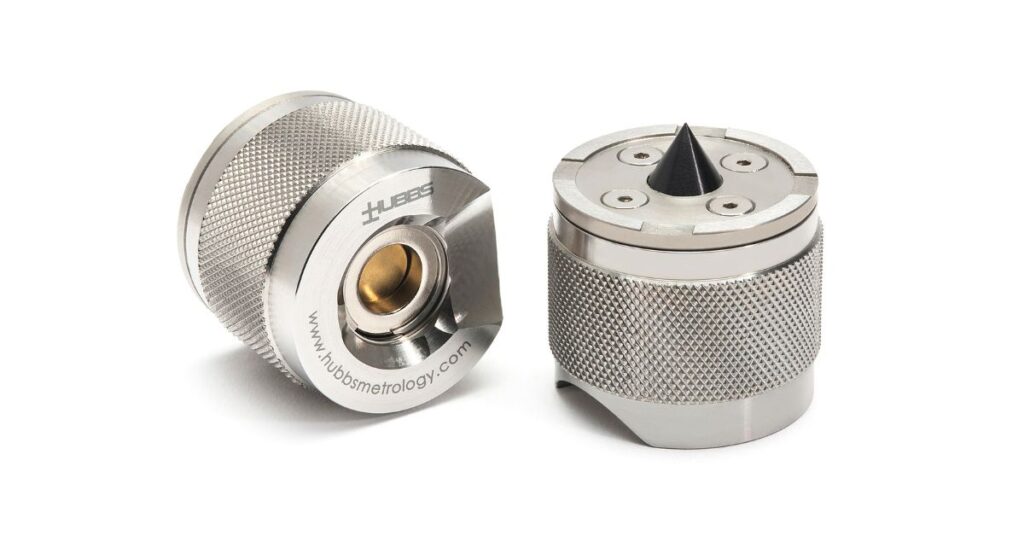
When precision matters, you need equipment that performs flawlessly, every time. HUBB’s provides industry-leading metrology measuring equipment trusted by professionals across varying industries.
We engineer our tools for reliability, accuracy, and durability. We help teams maintain critical timelines and reduce operational risk. With decades of experience supporting high-stakes projects, we deliver solutions that professionals rely on to get the job done right the first time.
The costs of downtime in high-stakes industries are steep. However, by consistently updating your laser trackers, you gain control over these challenges. Not only does this extend the life of your equipment, but it also creates opportunities to optimize speed and accuracy across projects.
Learning how to reduce downtime via laser tracker updates isn’t a complicated process; it’s a thoughtful and strategic approach to staying ahead. Contact HUBB’s today and discover how our tools help your organization stay current, operational, and thriving.