
On a busy shop floor, measurement equipment must move with the work. Wireless laser tracker technology gives metrology teams greater freedom to inspect large assemblies without having to plan every step around cables or fixed workstations. An overview of wireless laser tracker innovations shows how newer systems are making precision measurement more flexible in real production environments.
Wireless laser tracking keeps the same measurement discipline while changing how the equipment connects and moves through the workspace. The tracker still follows a reflector or compatible target to capture three-dimensional coordinates, but the setup depends less on physical communication cables or a fixed operator station. The shift gives metrology teams more room to work around large assemblies and production obstacles without letting access limitations control the entire measurement plan.
Several innovations have made wireless laser trackers more practical for industrial measurement. Battery-powered operation is one of the most visible changes because it allows the tracker to run away from wall power or long extension routes. Built-in wireless communication also reduces the need for a laptop to stay physically tethered to the tracker.
Another important development is integration. Compact tracker bodies may now include internal controllers, cameras, environmental sensors, and communication hardware inside a more portable unit. In addition, wireless probing has expanded what operators can measure when the laser line is difficult to maintain with a reflector alone.
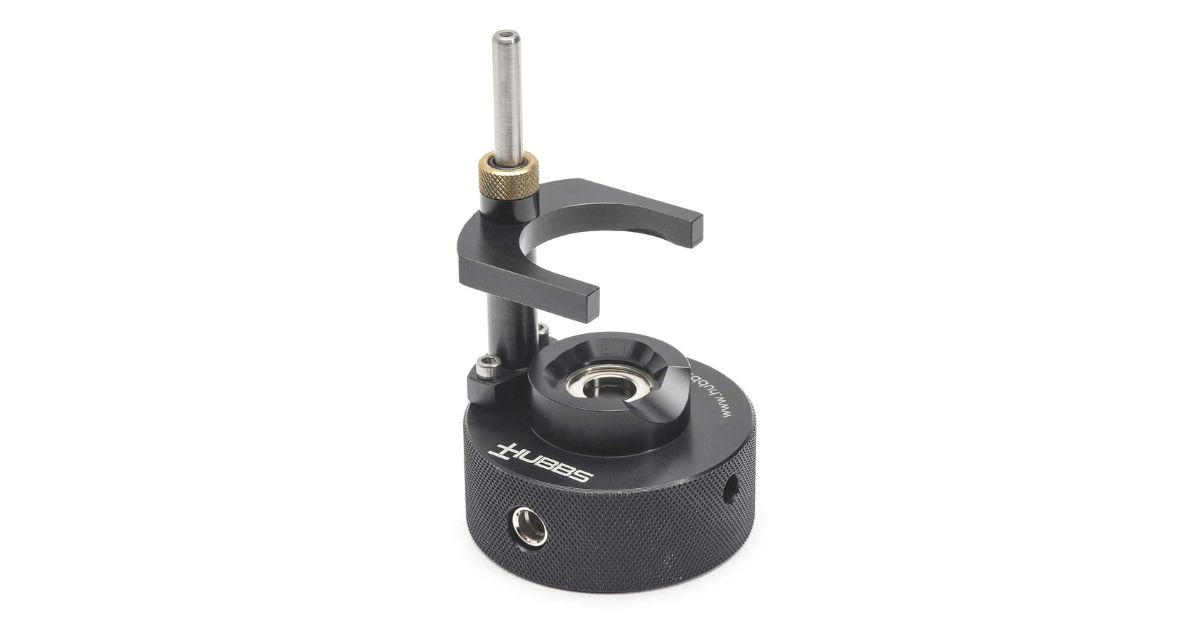
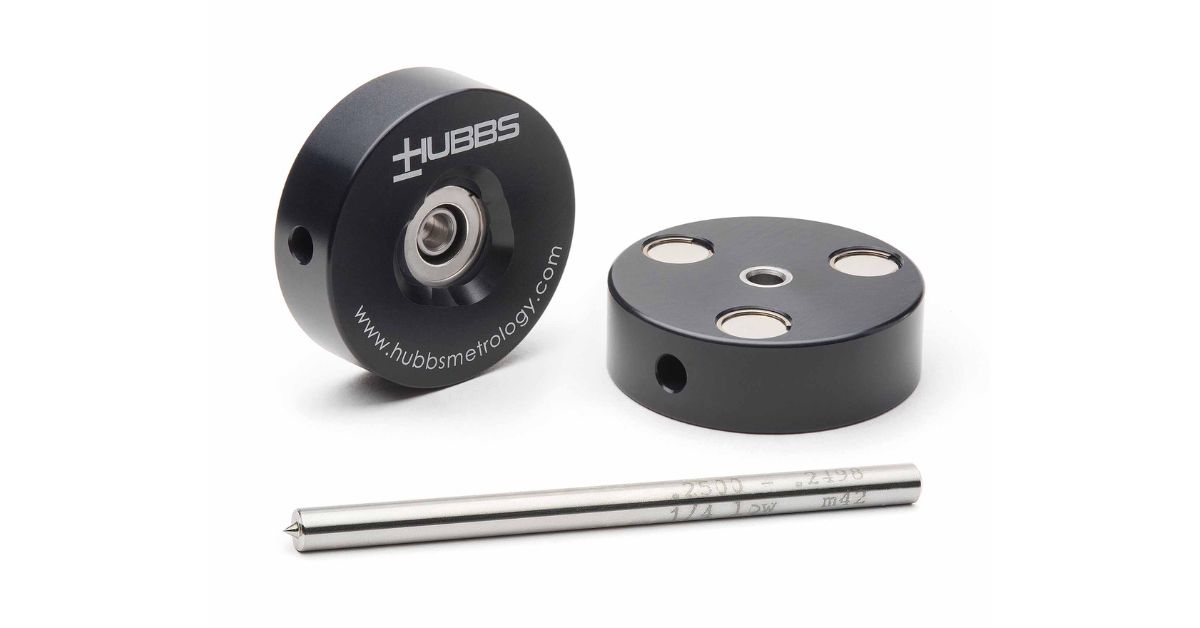
Tooling compatibility remains a key part of adoption. Accessories such as 1.5 SMR mounts help teams maintain consistent reflector positioning when moving between tracker workflows, notably when existing inspection routines rely on specific sphere sizes and mounting points.
Wireless systems improve efficiency by reducing the friction that happens before measurement begins. A conventional setup can require power planning and floor clearance before the first point is captured. Fewer cables mean fewer trip hazards and less time spent working around the measuring environment.
Once inspection starts, wireless operation supports faster repositioning. Operators may place the tracker closer to a feature or adjust the workstation view without rebuilding the entire setup. On production floors, smaller setup changes can protect schedule time across repeated inspections.
Wireless tools help when multiple departments need access to measurement data. Remote viewing or networked communication can make results easier to share with quality or assembly personnel while the inspection is still active.
Wireless convenience does not remove the need to evaluate accuracy, uncertainty, and environmental control. A tracker still depends on stable mounting and target quality, in addition to proper software settings. Wireless communication can improve mobility, but measurement quality still comes from a complete system working correctly.
Battery status is another practical factor. Teams should understand expected runtime and whether batteries can be swapped without interrupting work. Signal stability needs attention in facilities with heavy equipment or crowded wireless networks.
Environmental compensation deserves the same level of attention during wireless tracker evaluation. Variables such as temperature and humidity can affect distance measurement, so operators should confirm how a system captures or updates environmental inputs. Reliable wireless measurement depends on pairing flexible hardware with disciplined inspection procedures.
Wireless laser tracking is especially valuable in industries where parts are large, work areas are complex, and measurement access changes throughout the job. Aerospace teams may use trackers around aircraft tooling or assembly fixtures. Shipyards can benefit when measurement points are spread across large hull sections or tight structural areas.
Defense and heavy industrial environments often involve parts that cannot be moved easily to a controlled inspection room. In those settings, portable wireless systems can bring measurement closer to the workpiece. Commercial manufacturers benefit from alignment and in-process inspection when production space is limited.
Traditional laser tracker setups remain valuable, especially when a team has a dedicated inspection area and stable measurement routine. Hardwired communication and fixed power can provide a familiar operating environment, and many teams already have procedures built around those conditions. For controlled spaces, a conventional setup may be perfectly appropriate.
Wireless setups create value when the measurement environment changes frequently. A team working around elevated structures or active production areas may gain flexibility from fewer physical connections. Setup time and operator movement become easier to manage.
The comparison should not be reduced to old versus new. The better question is how each setup supports the inspection task and the required level of measurement control.
A wireless laser tracker should be evaluated as a full measurement system, not as a single convenience feature. Start with the measurement volume, stated accuracy, target compatibility, and software workflow. Those details determine whether the system can support the parts and tolerances your team works with.
Next, review power management. Battery runtime and hot-swap capability can affect long inspection sessions. Teams need to pay attention to communication performance, too. Ask how the system handles wireless data transfer and secure connectivity.
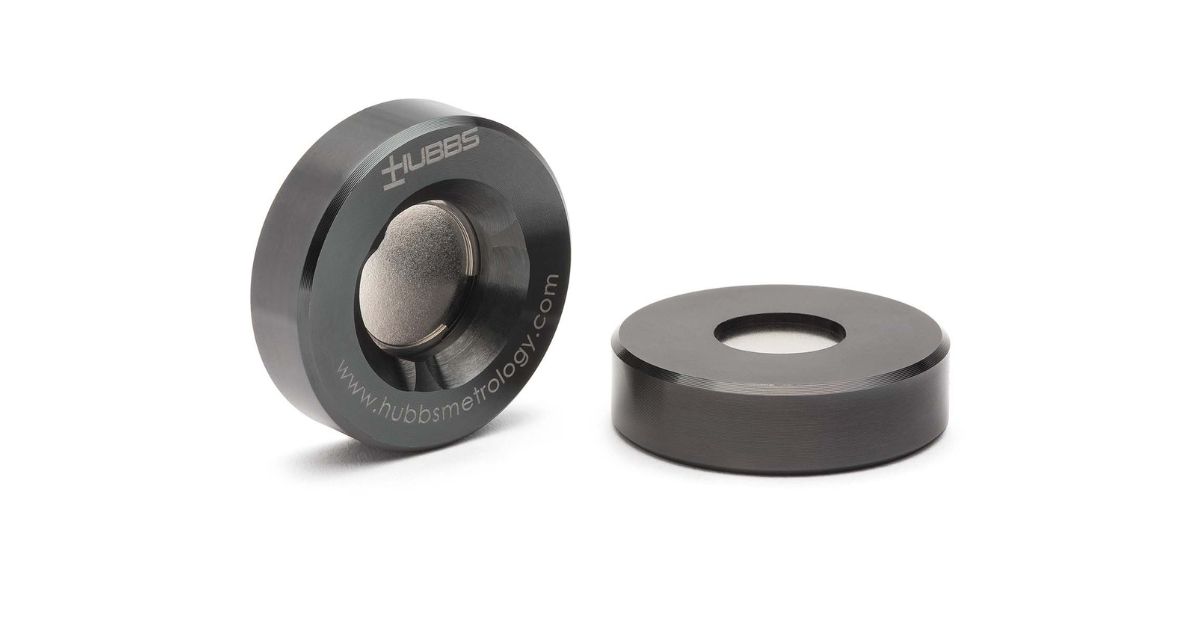
Accessories, like reflectors or mounts, are equally important because they need to fit the work already being performed. HUBBS supports measurement workflows with precision tooling and target products built for demanding, large-scale applications, so accessory selection should be part of the evaluation from the outset.
Wireless laser tracker development will likely continue moving toward greater integration, faster setup, and smoother connections between measurement hardware and production data. More systems may combine onboard computing and expanded support for probing or scanning.
Even as tools become easier to deploy, metrology teams will still need strong inspection planning. The most successful wireless workflows will combine portable hardware with trained operators and clear data practices.
Wireless laser tracker technology is reshaping how metrology teams think about setup in large-scale measurement environments. An overview of wireless laser tracker innovations makes one thing clear: flexibility only creates value when it supports disciplined, repeatable measurement work. As systems become easier to position and operate, the teams that benefit most will be the ones that pair newer tools with the right targets and inspection practices.
For teams refining wireless tracker setups, HUBBS can help match measurement accessories to the way parts are inspected in the field. Reach out to HUBBS to discuss products that fit your equipment and workflow.