
High-stakes industries such as aerospace, defense, and shipbuilding demand unmatched precision where every millimeter can determine success or failure. At the heart of precision in these industries lie the tools that create complex structures and systems. Inefficiencies and inaccuracies in tooling can lead to significant financial and operational setbacks.
Laser tracking has emerged as a groundbreaking solution, offering a blend of accuracy and reliability that traditional methods simply can’t match. Beyond its technical advantages, the cost benefits of laser tracking in tooling have propelled it into essential use across the most demanding applications. Explore how laser tracking reduces costs, minimizes errors, and equips industries with the precision they need to face challenges confidently.
Errors in tooling are far from trivial. Misalignments in industries such as aerospace and shipbuilding can lead to severe setbacks and consequences. For instance, a miscalculated part in an aircraft assembly might require dismantling and reassembling multiple systems, which can significantly delay production schedules. Shipyard operations face similar risks, where even slight inaccuracies can multiply inefficiencies across large-scale projects.
Beyond the visible costs, tooling errors carry hidden expenses, including rework, wasted materials, operational delays, and compliance risks. Scrap material from incorrect measurements adds to financial losses, while noncompliance with rigorous industry standards can result in penalties, reputational damage, or lost contracts.
Conventional measurement techniques, such as manual gauges and templates, often struggle to keep pace with the precision that modern, large-scale projects demand. These outdated methods consume more time, depend heavily on operator skill, and ultimately leave room for costly inaccuracies. In industries where the margin for error is measured in microns, the financial and operational impact of these shortcomings compounds quickly.
Laser tracking offers a modern alternative to the challenges above. Unlike manual tools, a laser tracker uses a laser beam to follow a reflective target, capturing three-dimensional data points in real time. Engineers use this data to validate dimensions and identify misalignments early in the process.
Measurements that once required multiple technicians and hours of manual effort can now be completed in a fraction of the time by a single operator. Because results are both precise and repeatable, teams gain consistent data they can trust across every stage of production.
Equally important is the traceability of laser-tracked data. You can digitally record and store measurements to provide a clear audit trail that satisfies stringent requirements in various fields. When you’re under constant regulatory scrutiny, this traceability is as valuable as the speed and accuracy themselves. Not to mention, this reinforces reliability in the eyes of clients, auditors, and industry partners.
Yes, laser tracking makes inspections faster, but it also makes them more cost-effective. Cutting a multiday process down to hours can save thousands in labor per project, while also allowing smaller teams to handle a greater volume of work. For large-scale operations, this scalability translates into substantial budget relief.
Materials such as titanium, carbon fiber, or specialty alloys can cost thousands per unit. Therefore, even minor measurement errors can become expensive. Laser tracking minimizes those risks by ensuring accuracy the first time, reducing scrap, and supporting sustainability goals through waste reduction.
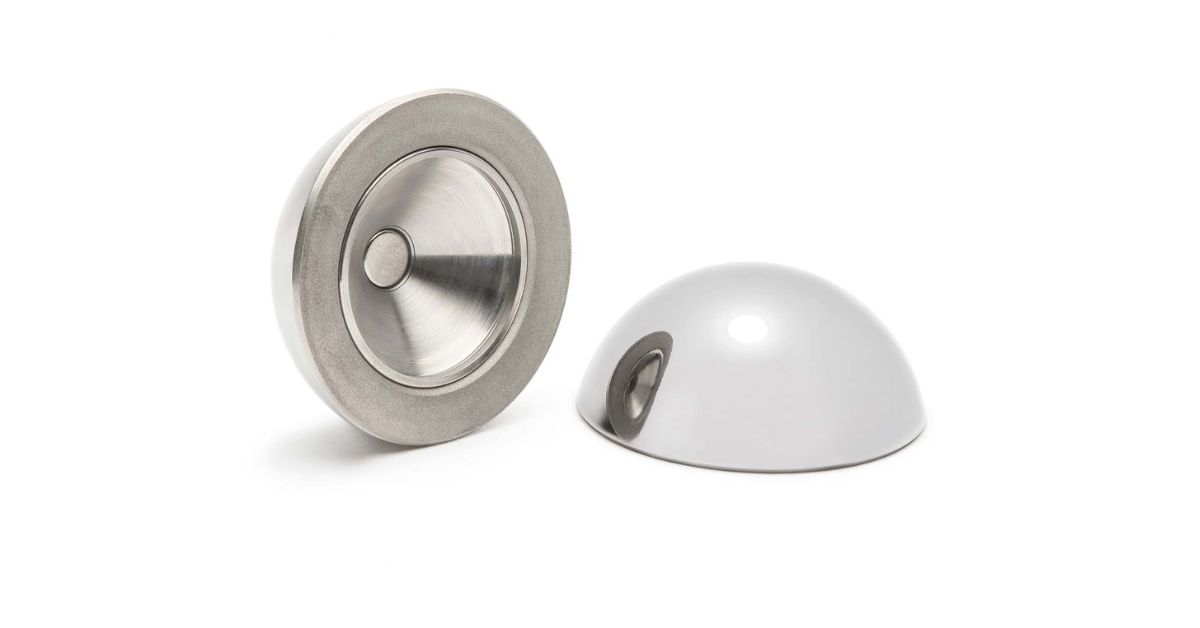
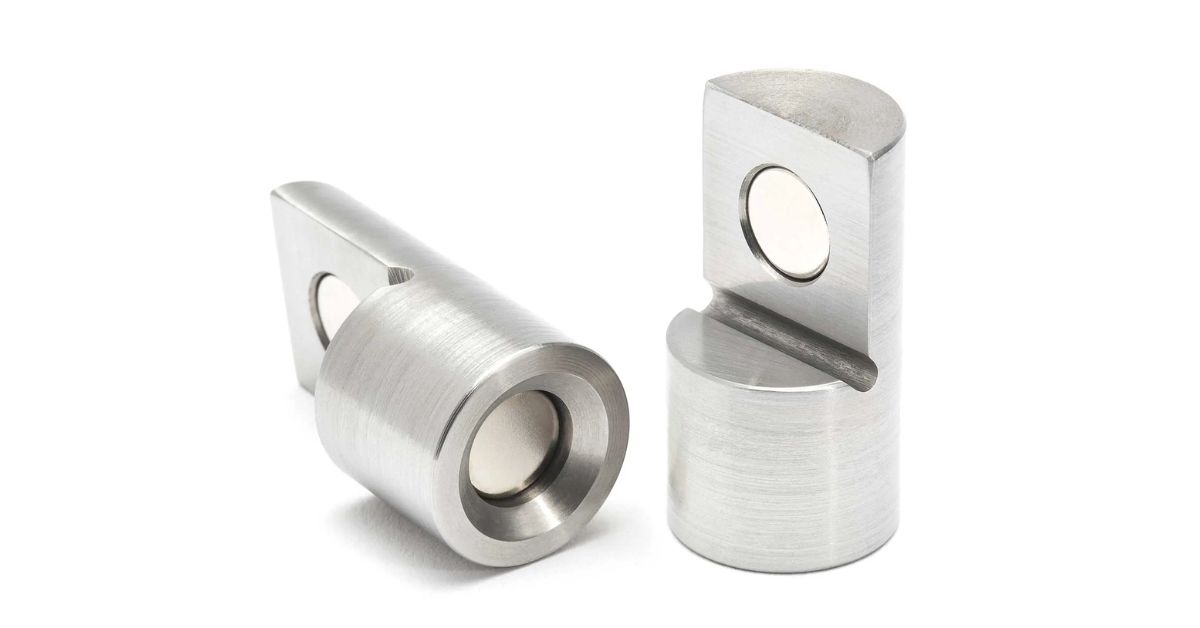
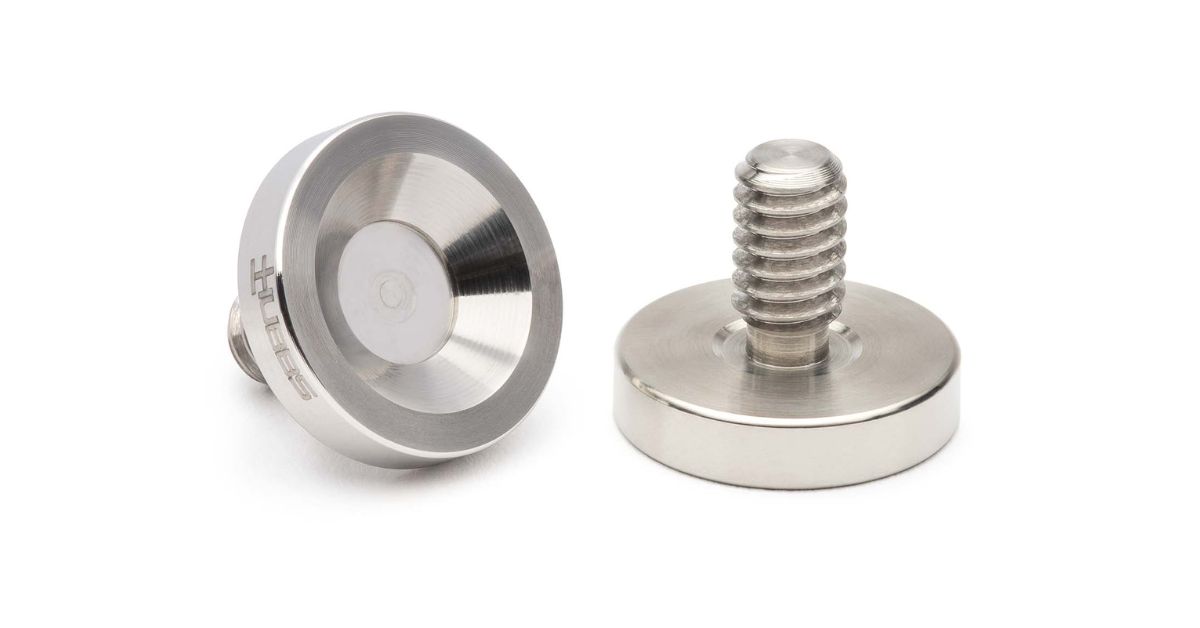
Downtime is one of the most expensive hidden costs in tooling and assembly. A halted aircraft line or idle drydock can represent millions in lost opportunity. Laser tracking provides immediate feedback that enables rapid corrections, keeping production flowing. Some businesses even use .875 SMR mounts with laser trackers to improve stability and accuracy, further speeding up troubleshooting and minimizing delays.
Together, these savings extend far beyond operational efficiency. Companies gain stronger profit margins, meet delivery schedules more consistently, and position themselves as more competitive in securing new contracts. In industries where precision drives business success, laser tracking delivers measurable financial impact.
The evidence is clear that laser tracking saves money. But it also raises the bar for performance. One of its strongest advantages is the ability to accelerate inspection and alignment cycles without introducing variability. This ensures every project stays on schedule while maintaining uncompromising precision.
This consistency drives higher first-pass rates. This means assemblies are completed correctly the first time. Reducing rework isn’t simply a cost benefit; it strengthens customer confidence and reduces the risk of warranty claims or contract disputes.
Equally important, laser tracking provides scalability with reliability. Whether it’s a single component or a full-scale ship section, the technology delivers repeatable accuracy that allows organizations to take on more complex projects without sacrificing quality control. These improvements are invaluable where reputation and reliability are as critical as cost.
Risk management is an integral part of tooling operations, particularly in demanding industries such as defense. By minimizing human error in hazardous environments, laser tracking can enhance overall safety. Its ability to deliver precise and verifiable results reduces the likelihood of accidents caused by measurement inaccuracies.
From a compliance perspective, laser tracking simplifies adherence to demanding industry standards and military specifications. Because results are reliable and repeatable, organizations can demonstrate conformity with far less effort, reducing the risk of noncompliance penalties.
The versatility of laser tracking technology makes it an ideal choice for future-proofing tooling operations. Its seamless integration with CAD, digital twins, and Industry 4.0 systems positions businesses to adopt cutting-edge advancements with minimal friction. These connections enhance production accuracy while leveraging data-driven insights for continuous improvement.
Laser tracking also scales effectively to accommodate more extensive projects and intricate geometries. This scalability makes laser tracking essential as industries adopt increasingly sophisticated, large-scale manufacturing. Reliable metrology equipment gives companies a competitive edge in securing contracts where precision and on-time delivery are prerequisites.
At the core of precision metrology is the assurance of accuracy and reliability, which is why you can count on HUBB’s Metrology Solutions to provide state-of-the-art equipment tailored to meet your most demanding requirements.
We are committed to delivering tools that ensure precise results. Our expertise and focus on quality empower you to fully leverage the cost benefits of laser tracking in tooling so you stay ahead in industries where precision defines success. When accuracy matters most, trust us to be your partner in achieving exceptional outcomes.