
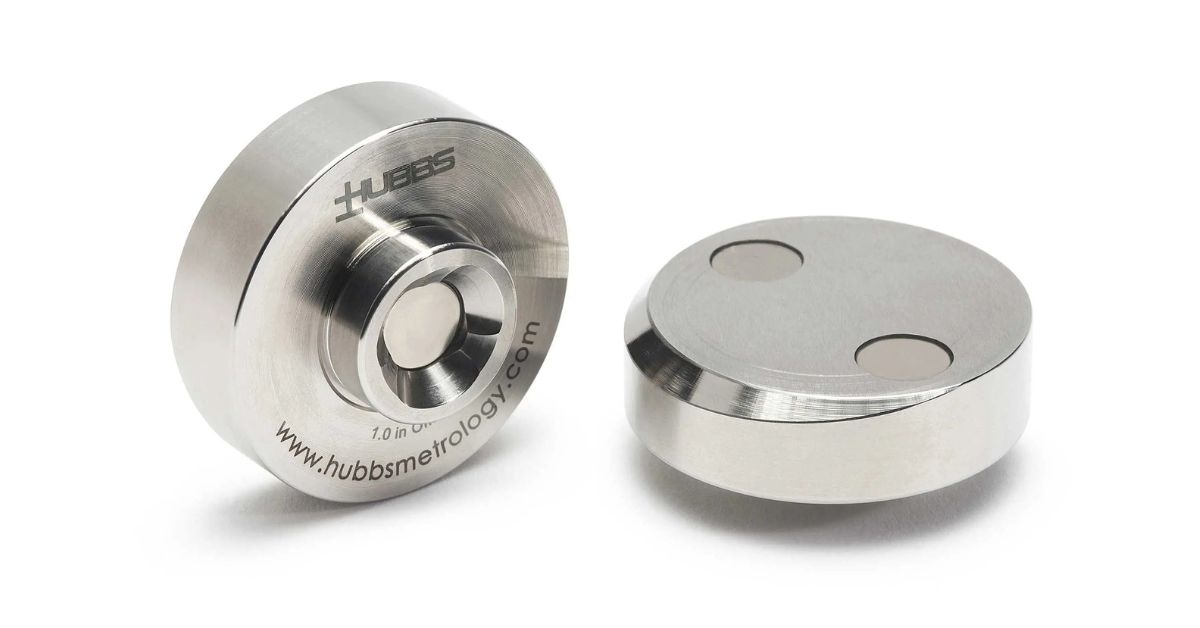
Laser trackers sit at the intersection of precision engineering and operational discipline. Teams rely on them to align fuselage sections, validate ship frames, and verify tooling across expansive build environments.
That level of responsibility demands a safety playbook that respects both the physics of a coherent beam and the realities of busy production floors. The phrase “safety considerations in laser tracker use” should not be read as a checkbox. It should act as the framework that protects employees, keeps equipment stable, and data reliable.
A practical approach starts with the realities you face on the floor: shifting logistics, mixed-experience crews, reflective materials, and variable lighting. Build safety into the workflow, not around it.
Define the work zone with intent, train for the roles that matter, manage the beam and its environment, and lock down power, mounts, and movement. The result is a repeatable process that protects your team and preserves measurement integrity job after job.
Before you unbox any equipment, a thorough assessment of the measurement environment is critical. Identify a designated work zone, often called a Laser Controlled Area (LCA). This area should be clearly marked with signs and, where practical, physical barriers to restrict entry of unauthorized personnel.
The assessment must account for all potential activities within and near the LCA that could interfere with the measurement process or create hazards. This includes evaluating foot and vehicle traffic patterns to prevent accidental bumps or disruptions.
Human error remains a primary factor in workplace incidents. All personnel involved in laser tracker operations must receive comprehensive training specific to the model in use. This training should cover equipment operation, safety features, and emergency protocols.
Roles and responsibilities must be clearly defined. A Laser Safety Officer (LSO) or a similarly designated team lead should have ultimate authority over the operation, with the power to start, pause, or stop work if safety is compromised. Only trained and authorized operators should handle the equipment.
Laser trackers typically use a Class 2 laser, which engineers consider safe for the naked eye under normal operating conditions because the human blink reflex provides adequate protection. However, it is never advisable to stare directly into the beam.
It is a best practice to always manage the beam path. Operators should avoid directing the laser toward eye level and be mindful of where the beam terminates. When working around potentially reflective surfaces, all personnel within the LCA should wear appropriate laser safety glasses as an added precaution.
The stability of the laser tracker is paramount for both safety and data accuracy. You must place the instrument on a certified, stable stand designed to support its weight and isolate it from vibration. Check that the stand is level and its legs are securely locked on a solid, even surface.
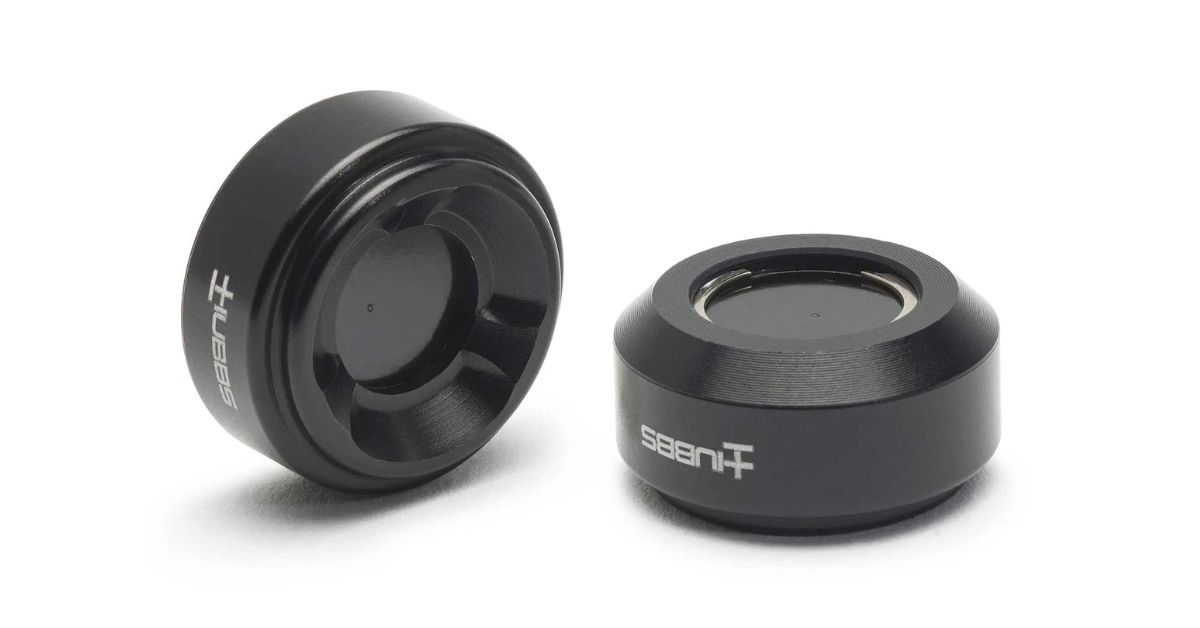
When using specialized mounts for spherically mounted retroreflectors (SMRs), such as .875 laser tracker sphere mounts, confirm they are clean and correctly seated to prevent slippage or measurement drift. An unstable tracker can tip over and cause expensive damage and potential injury.
Cables are a common and often overlooked hazard. All power and data cables should be routed away from primary walkways. Use high-visibility cable covers or tape to secure them to the floor, minimizing trip risks.
Regularly inspect cables for any signs of wear, fraying, or damage that could create an electrical hazard. Whenever possible, position the tracker and its control station near a reliable power source to reduce the need for long extension cords.
The surrounding environment directly impacts laser tracker safety and performance. Adequate lighting is necessary for personnel to move safely and operate equipment, but excessively bright or fluctuating light can interfere with the tracker’s ability to lock onto a target.
Operators must also identify and mitigate reflective surfaces. This includes polished metal, glass, or standing water that could cause dangerous specular reflections of the laser beam. Covering or repositioning these surfaces is a necessary step.
Finally, sources of vibration, like heavy machinery or HVAC systems, should be minimized or isolated from the measurement area.
Safety extends beyond physical harm to include the protection of your measurement data. A safe workflow prevents data corruption or loss. This involves establishing a clear data management plan before the job begins.
Define file naming conventions, storage locations, and backup procedures. A methodical workflow, where you take measurements in a logical sequence, reduces the need for operators to make hurried or repetitive movements across the work area. This systematic approach enhances both data quality and personal safety.
Even with careful planning, incidents can occur. Every team must have a clear and practiced emergency plan. This plan should include procedures for equipment shutdown, first aid for eye exposure, and site evacuation.
An accessible first-aid kit, including an eyewash station, should be available within the work area. You must report all incidents, no matter how minor, to the LSO or supervisor. Thorough reporting allows for investigation and helps refine safety protocols to prevent future occurrences.
Adherence to safety is an ongoing process, not a one-time task. Maintain comprehensive documentation for all laser tracker operations. This includes records of operator training and certifications, equipment maintenance logs, and site safety assessments.
Regular safety audits, conducted by an internal LSO or a third-party expert, are vital. These audits verify that employees are following protocols and identifying areas for improvement. This reinforces a culture of safety and compliance with standards like those from the American National Standards Institute (ANSI).
Routine maintenance and precise calibration are essential to reliable and safe laser tracker operation. Scheduled maintenance, performed according to manufacturer guidelines, helps detect potential mechanical or electronic faults before they impact safety or performance. Calibration checks confirm that the instrument delivers accurate measurements and functions within required tolerances.
Always use certified calibration equipment and documentation to track maintenance history. By prioritizing maintenance and calibration, organizations uphold high standards for equipment performance and workplace safety.
Integrating laser trackers into your workflow provides a powerful capability for precision measurement. However, realizing the full benefit of this technology requires an unwavering commitment to operational safety.
From initial site planning to post-project audits, each step contains opportunities to reinforce safe practices. By implementing these top safety considerations in laser tracker use, organizations can protect their teams, preserve their assets, and produce the reliable, accurate data their critical projects demand.