
Aligning massive tools that span tens of feet and weigh several tons is one of the toughest challenges in the aerospace, defense, and shipbuilding industries. Minor errors can cascade into ill-fitted assemblies, expensive rework, safety concerns, or mission delays.
Modern laser trackers are the gold standard for aligning these massive tools and meeting these challenges. Their ability to deliver fast, precise, and repeatable measurements makes them indispensable for large-scale alignment tasks. Keep reading for HUBB’s practical tips for aligning large tools using laser trackers.
When dealing with assemblies of immense size and weight, the margin for error is razor-thin. Even a deviation of a millimeter can result in misaligned components that don’t fit as intended. This is critical in the aerospace industry, where precision ensures safety and compliance with strict standards.
Traditional alignment methods may suffice for smaller projects, but they fall short when it comes to the scale of tools used in shipbuilding or heavy machinery. Laser trackers step in where manual methods fail, optimizing accuracy and efficiency while minimizing risks. Precision is no longer optional; it’s essential for staying on schedule, meeting quality benchmarks, and maintaining operational safety.
A laser tracker is a portable, high-precision measuring device designed to capture the size, shape, and position of large objects with extreme accuracy. It works by projecting a laser beam onto reflective targets. The laser tracking tool then calculates precise distances (often within microns) across expansive spaces.
You can think of it as a GPS for manufacturing tools. While a GPS guides you within a few feet, laser trackers pinpoint exact positions down to a fraction of a millimeter. This tool is invaluable for aligning massive structures and assemblies.
When you’re aligning something big, preparation and process become your foundation for success. Get the results you need with these five tips:
Vibrations, temperature swings, and air currents can distort readings. Choose a workspace with minimal environmental interference, and avoid alignment tasks during significant temperature fluctuations. Mount your tracker and reflectors on steady, vibration-free surfaces. Even slight instability can compromise results and create inconsistencies.
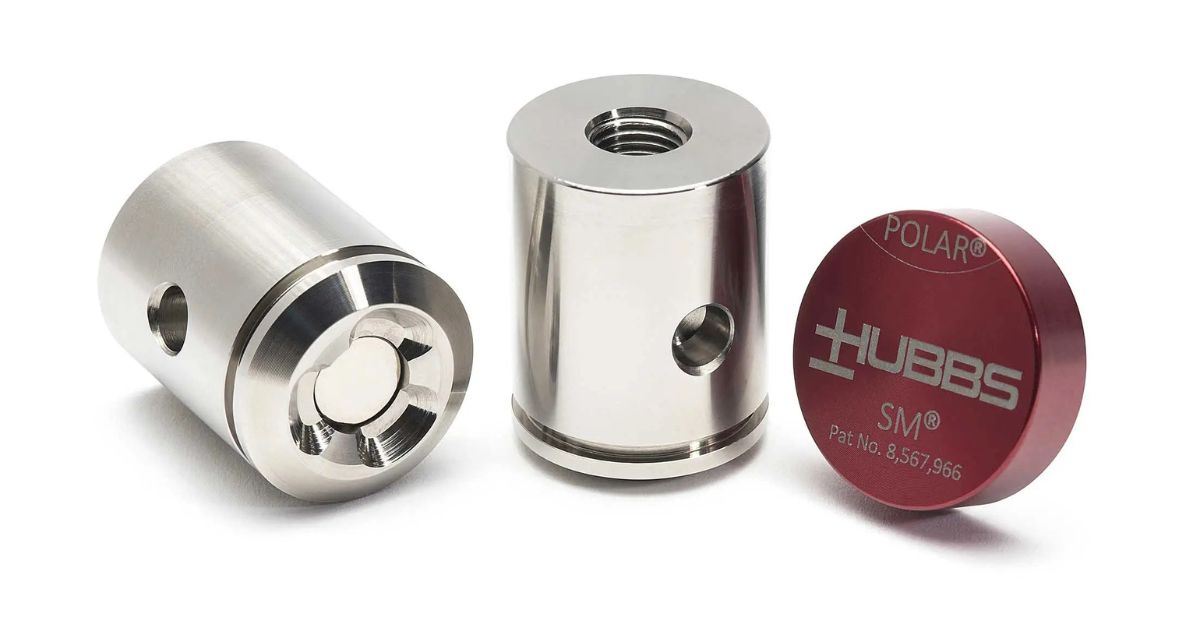
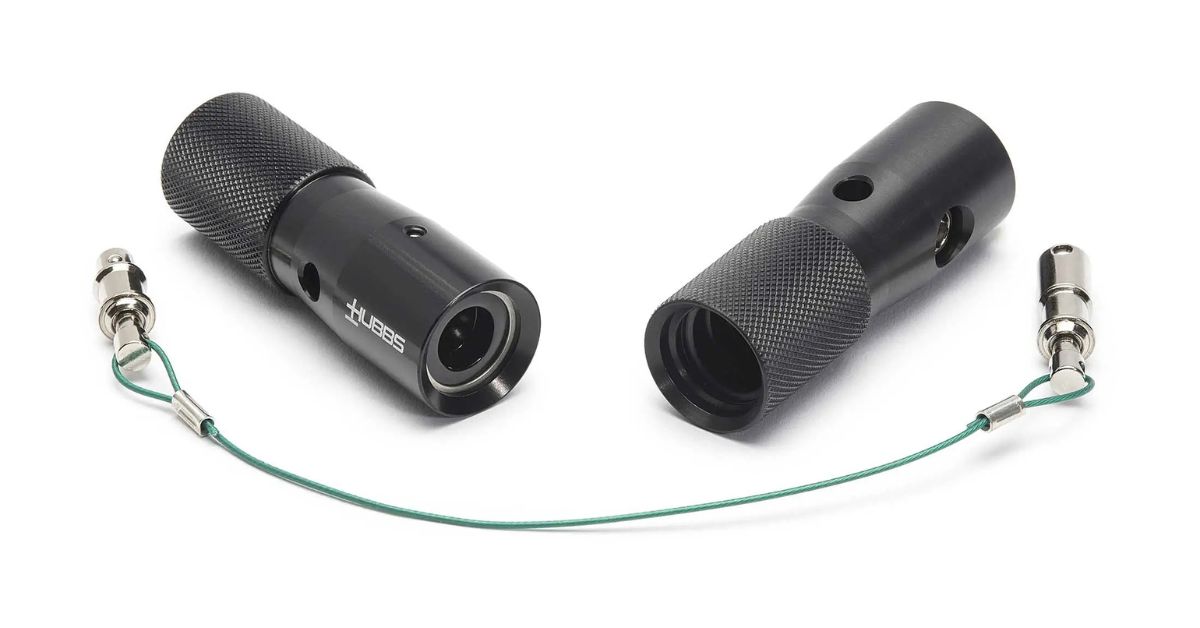
Mounts and reflectors hold targets in place and lead to repeatable, accurate measurements. For example, 1.5 SMR mounts provide secure positioning of spherical reflectors. Therefore, this accessory can maintain alignment over large distances. HUBB’s designs and offers specialized mounts and accessories specifically for demanding large-scale projects.
Do you have a clear coordinate system in place? Precise alignment begins with placing reference points strategically across the tool for complete coverage and to avoid measurement gaps.
Using a multi-station approach, where you take measurements from several fixed points, can validate accuracy and provide redundancy. This setup reduces the risk of misalignments and ensures alignment integrity even in complex geometries.
Laser trackers require an uninterrupted view between the tracker and the reflector. Scaffolding, cranes, or tool structures can block the beam. Plan ahead by assessing your workspace, removing obstructions where possible, and setting up tracker stations to minimize disruptions. Clear line-of-sight equals cleaner data!
No matter how accurate the initial measurements appear to be, you should never finalize your data in a single pass. Recheck critical points, confirm consistency, and document results. Validation ensures you catch small shifts before they become big mistakes. Detailed records also provide proof of quality assurance and compliance with the standards of your respective industry.
Mistakes are common, and even skilled practitioners can encounter issues with their laser trackers. Avoid the following pitfalls to keep your alignment process smooth and error-free:
Precision alignment with laser trackers offers more than just technical accuracy. Investing the time and effort to use laser trackers correctly can lead to long-term gains in productivity and reliability. Consider these broader advantages:
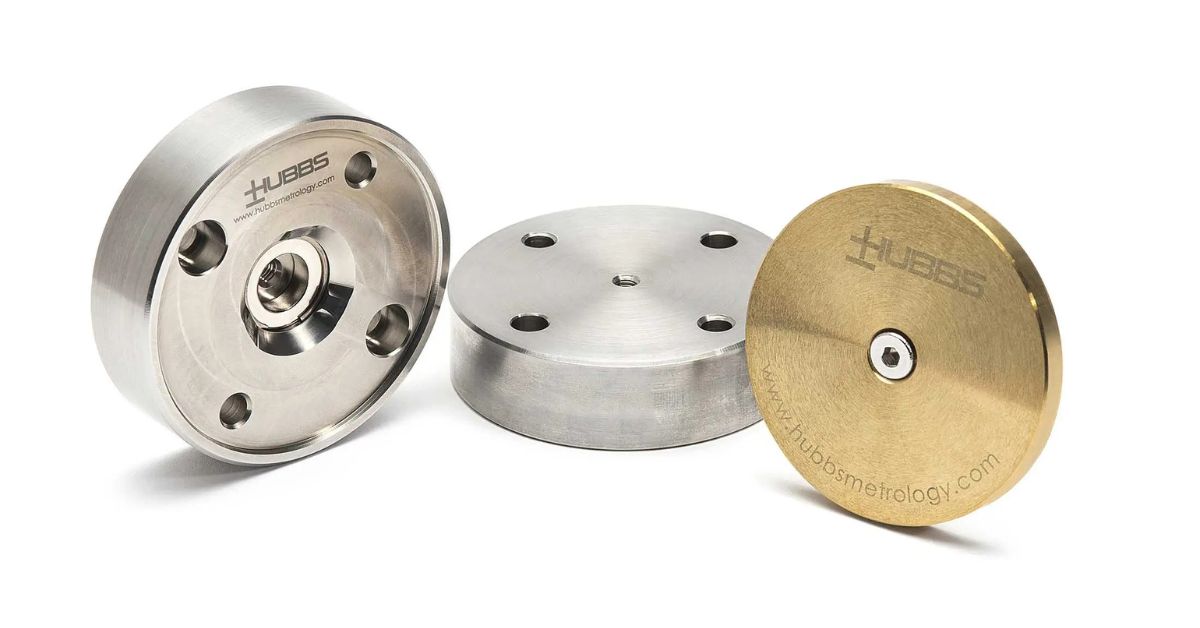
The tools and techniques you use matter, but so does the partner who provides them. Working with a trusted provider ensures you have access to the right mounts, reflectors, and accessories for your project’s unique demands.
HUBB’s specializes in precision-engineered solutions that support accurate, repeatable results in high-stakes industries. By working with us, you gain reliable products and the confidence that your alignment process will meet the standards of your business and your industry.
Large tool alignment is a demanding process where small errors can have major consequences. Laser trackers provide the accuracy, speed, and reliability needed to align massive tools with confidence. By using HUBB’s expert advice for aligning large tools using laser trackers, your team can achieve great results. Our tips for setting up machinery and avoiding mistakes will help you minimize risks, save time, and improve project outcomes.
As industries like aerospace and defense continue to tackle more complex challenges, precision alignment will remain an important factor to keep in mind. By adopting best practices and leveraging modern solutions, your team can work faster, safer, and with greater confidence—no matter the scale of the project.