
When a large assembly starts to drift out of position, the cost of a small mistake can escalate fast. That pressure is exactly why laser trackers are ideal for large assemblies, especially in high-precision environments where every alignment decision matters. Instead of slowing production with cumbersome measurement steps, these systems help teams verify critical geometry where the work is happening. For manufacturers balancing tolerance demands with real-world build conditions, that kind of capability changes the pace of the job.
Large-scale assembly work becomes more difficult as the size increases because accuracy must hold across longer distances and more variables on the floor. A single shift in position at the beginning of a job can create downstream fit issues that are much harder to correct once more components are installed.
When assemblies are difficult to move or measure from one stable setup to another, teams have to make critical decisions under conditions that are not always ideal. The challenge is not only getting the build into the right position, but keeping every relationship between features consistent as the work progresses.
Laser trackers are portable coordinate measurement systems that capture precise 3D positions over large volumes by tracking a target in space. In practical use, this allows teams to inspect features, align structures, compare measured conditions with CAD, and verify that assemblies meet tolerance requirements.
Laser trackers are a preferred solution for large-scale dimensional metrology and large industrial applications because they combine precision with portability. Instead of forcing a large assembly into a fixed measuring setup, the tracker comes to the work area.
Laser trackers stand out because they solve several production problems at once. Their benefits are not repetitive versions of the same point. Each one supports a different part of the assembly process.
Large assemblies need reliable measurement across wide spaces, not just at a single checkpoint. Laser trackers are built for long-range, large-volume measurement, helping teams verify distant points within a single coordinate system rather than relying on disconnected checks. Accuracy matters when technicians need reliable measurement between distant features without losing confidence in overall alignment.
Production delays happen when teams must stop work to confirm position, then wait again to correct it. Laser trackers support faster alignment and inspection by giving operators immediate positional feedback during measurement tasks. With quicker feedback at the point of measurement, teams can respond to issues before they cause larger downstream disruptions. As a result, corrections can occur earlier and with less disruption.
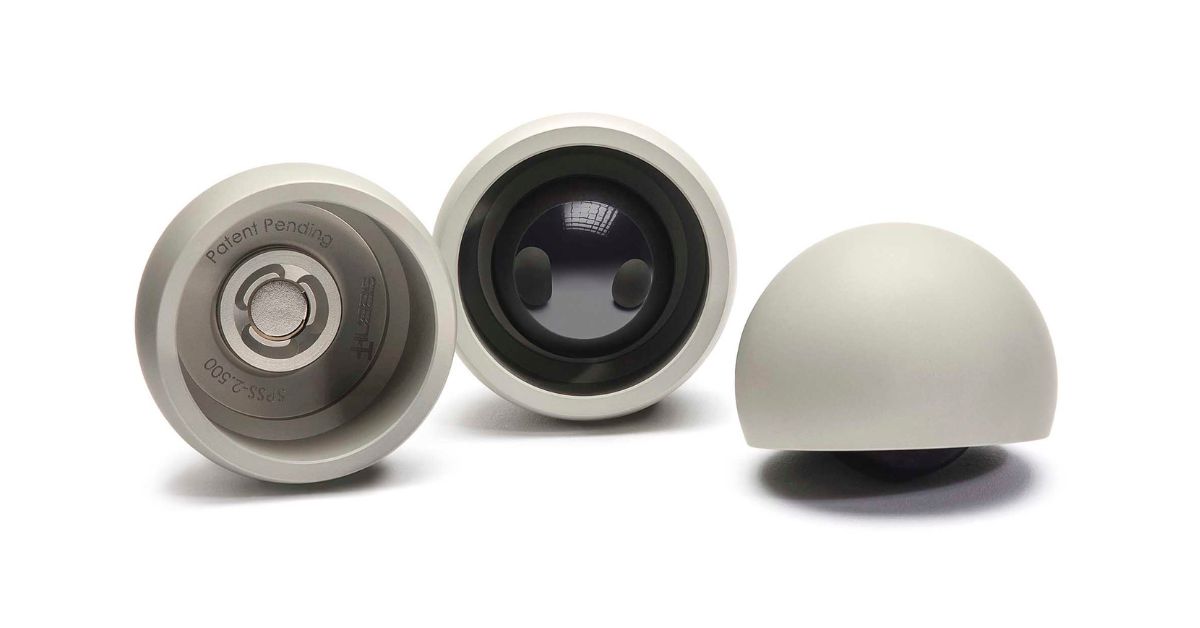
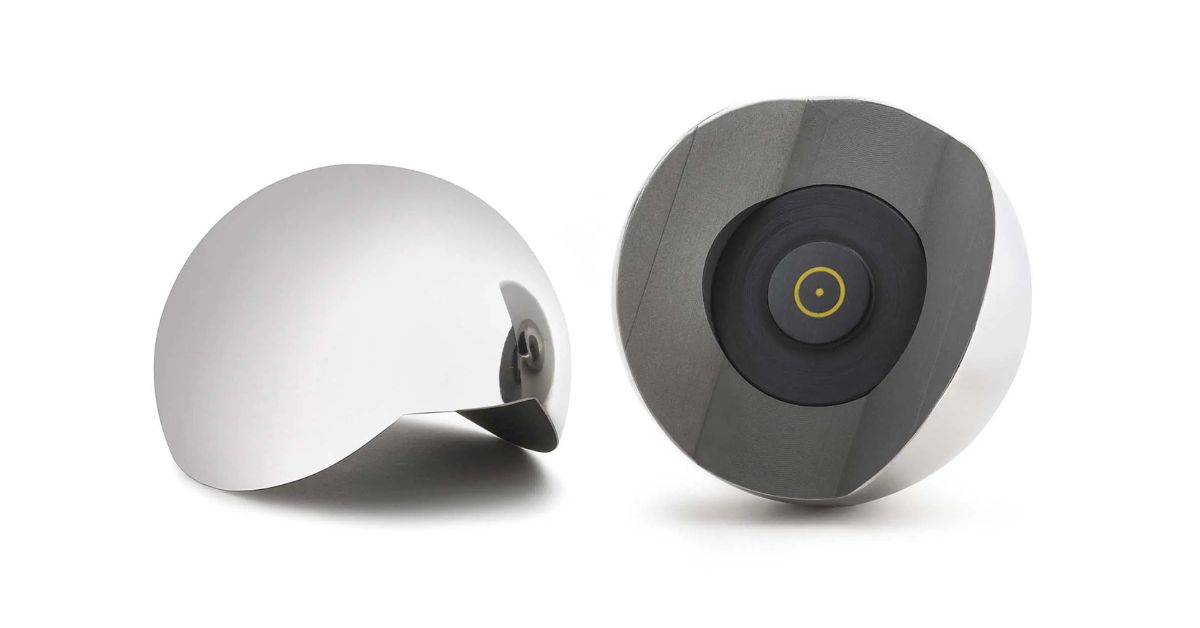
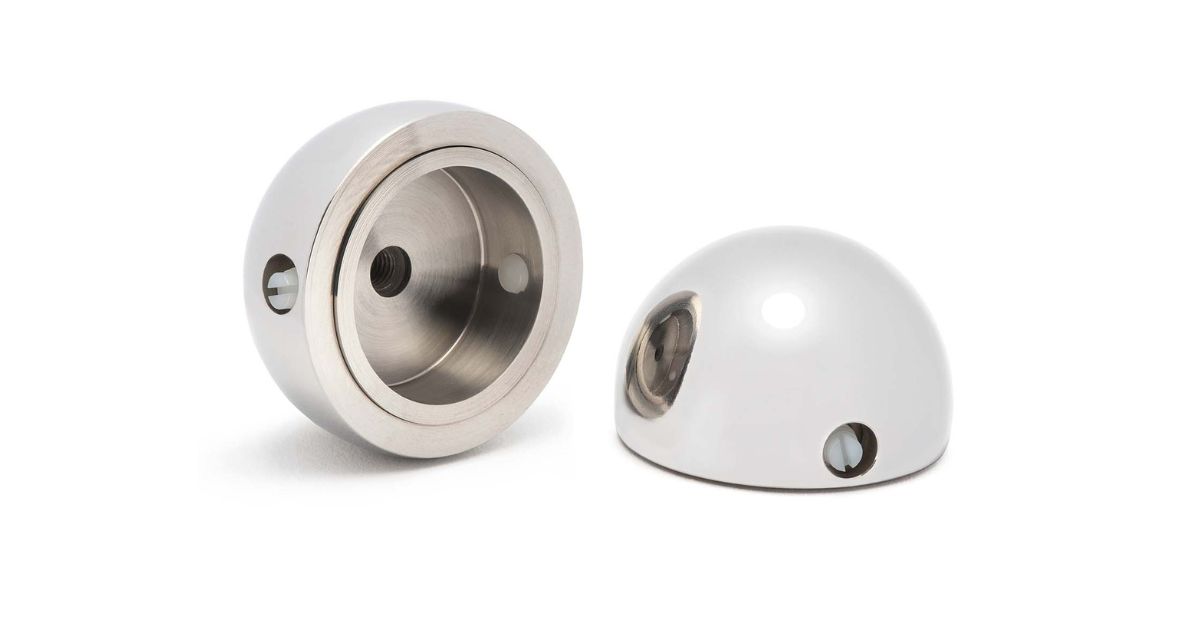
Large assemblies rarely remain in a single, ideal measurement environment. Work may move, so portability becomes a real operational advantage. Laser trackers are valued in part because they are portable systems that can be used close to the job. That flexibility also extends to the tooling around the process. Components such as 1.5 laser tracker sphere mounts help ensure repeatable setups under real production conditions.
Large-scale work requires a clear digital record, not just a visual confirmation that something looks correct. Laser tracker workflows support traceable measurement data that can be used to populate inspection reports and quality reviews. A level of documentation like this becomes more valuable when multiple departments need to work from the same measurement record.
Rework becomes more expensive as the build progresses. An issue found during early positioning may be manageable, while the same issue discovered after subsystem installation can force major disruption. Laser trackers help reduce that risk by supporting early detection and ongoing verification. Sources on alignment and large-part assembly regularly associate tracker-based measurement with lower overall production loss.
Laser trackers are especially valuable in large-assembly environments where measurements must be taken directly on the build. In aircraft production, they are used to verify structural fit and confirm that major components are positioned correctly before work moves forward.
In shipbuilding and other heavy industrial settings, they help teams inspect large sections in place, as moving the assembly would create unnecessary disruption. That makes them useful in situations where access is limited, and measurement still must remain dependable.
They are also effective for tooling verification and installed equipment alignment when dimensional accuracy affects the next phase of work. In these applications, the advantage is the ability to measure large, complex assemblies in their actual working environment with confidence.
Another strength of laser trackers is that they support multiple phases of the job. Their value starts early and continues through final verification.
During setup, laser trackers help teams establish references and confirm fixture relationships before assembly work gains momentum. Stronger setup control reduces the chance of carrying hidden errors into later stages.
During assembly, timely measurement feedback helps crews make fit-up and alignment decisions with less stop-and-start troubleshooting. That keeps the work moving while protecting positional accuracy.
During final inspection, teams can verify completed geometry using the same metrology path that supported earlier stages. That continuity improves confidence in both the result and the record behind it.
Choosing a laser tracker starts with how the system will perform in the actual work environment. It should be capable of handling the assembly’s scale and delivering the precision the job requires. Just as important, it needs to support a workflow that feels practical on the floor, not disruptive to it.
The supporting tooling deserves just as much attention. Stable mounts and dependable accessories can make a measurable difference in day-to-day performance. HUBBS supports that need with laser tracker tooling, spherical products, accessories, and photogrammetry solutions designed for demanding measurement environments. When the goal is a setup that works as hard as the team using it, the details around the tracker matter.
Large-scale assembly work leaves very little room for uncertainty once the build is underway. That is exactly why laser trackers are ideal for large assemblies: they support a more controlled process in environments where precision must hold from one stage to the next.